In the fast-paced world of e-commerce, building and maintaining strong customer relationships is more critical than ever. Enter CRM software—a powerful tool that not only helps you understand your customers better but also streamlines your operations for maximum efficiency. Imagine having the ability to personalize marketing campaigns, anticipate customer needs, and enhance user experiences all from one platform. That’s the magic of CRM in action.
As an e-commerce business owner, you know that every click counts. Investing in top CRM software can be the game-changer that propels your business to new heights. With the right CRM system, you can seamlessly integrate data, foster customer loyalty, and ultimately drive sales growth. Let’s embark on a journey to explore how the top CRM software solutions can transform your e-commerce business into a customer-centric powerhouse.
Introduction to CRM Software for E-commerce
In the rapidly evolving world of e-commerce, staying connected with customers is not just a luxury—it’s a necessity. Customer Relationship Management (CRM) software serves as the backbone for cultivating these vital connections.
CRM software is designed to enhance customer relationships by providing insightful data, automating communication, and personalizing customer experiences. By leveraging CRM tools, e-commerce businesses can streamline operations, reduce redundancy, and foster repeat business.
The Importance of CRM in E-commerce
The significance of CRM software in the realm of e-commerce cannot be overstated. With the help of these advanced systems, businesses can track customer interactions, monitor purchasing patterns, and analyze data to tailor their marketing strategies effectively. By understanding customer behavior, businesses are better equipped to anticipate needs and deliver exceptional service.
Enhancing Customer Relationships
CRM software acts as a central hub for all customer-related information. This centralization allows businesses to offer personalized experiences by targeting promotions and providing excellent customer support. By storing comprehensive profiles and history of interactions, CRM systems ensure that every customer feels valued and understood.
Streamlining Operations with CRM
Efficiency is key in e-commerce, and CRM software plays a crucial role in achieving this. By automating tasks such as email marketing, order processing, and customer service, CRM systems reduce the burden on staff, allowing them to focus on more strategic tasks. Additionally, the integration of CRM with other business systems ensures a seamless flow of information, reducing errors and enhancing productivity.
Key Features of Top CRM Software

In today’s fiercely competitive e-commerce landscape, choosing the right CRM software can be a game-changer for your business. It’s not just about managing customer relationships; it’s about leveraging powerful tools to spur growth and enhance customer experiences.
Understanding the essential features of CRM software tailored for e-commerce is crucial. These features are designed to streamline operations, personalize customer interactions, and ultimately, drive sales.
Essential Features for E-commerce Success
For an e-commerce business, not all CRM features are created equal. It’s vital to focus on those that deliver the highest impact. Let’s delve into what makes the top CRM options stand out:
| Feature Name | Description | Benefits | Compatibility |
|---|---|---|---|
| Automated Customer Segmentation | This feature categorizes customers based on behavior, purchase history, and engagement. | Improves targeted marketing efforts and enhances personalized interactions. | Integrates seamlessly with most e-commerce platforms like Shopify and WooCommerce. |
| Omnichannel Communication | Enables communication with customers through various channels such as email, social media, and live chat. | Ensures a consistent and streamlined customer experience across platforms. | Compatible with social media platforms and major communication tools. |
| Advanced Analytics and Reporting | Provides in-depth insights into customer behavior and sales trends. | Helps in making data-driven decisions to optimize marketing strategies and increase ROI. | Supports integration with business intelligence tools for enhanced analytics. |
| Integration with Payment Gateways | Facilitates seamless transactions by connecting directly to various payment systems. | Reduces friction in the purchasing process, leading to higher conversion rates. | Works with popular payment processors like PayPal, Stripe, and Square. |
| Inventory Management | Tracks product levels, orders, sales, and deliveries. | Prevents stockouts and overstocks, ensuring efficient inventory control and happy customers. | Typically integrates with e-commerce platforms for real-time updates. |
By harnessing these features, e-commerce businesses can not only survive but thrive in the digital marketplace. The right CRM software is an investment in your brand’s future, paving the way for strategic growth and customer loyalty.
Benefits of Using CRM for E-commerce Businesses
In the bustling world of online shopping, e-commerce businesses are always on the hunt for tools that can give them an edge over competitors. Implementing CRM software is one such game-changing strategy that enhances customer relations and drives sales.
By streamlining operations and providing insightful data, CRM systems help e-commerce platforms deliver personalized experiences, ultimately leading to higher customer satisfaction and loyalty.
Enhanced Customer Personalization
In an era where customer experience reigns supreme, CRM software provides the ability to personalize interactions based on past behaviors and preferences. For instance, Amazon’s CRM system meticulously tracks user interactions to offer tailored product recommendations, significantly enhancing the shopping experience and boosting conversion rates.
Improved Customer Retention Rates
Retaining customers is far less costly than acquiring new ones. With CRM tools, businesses gain actionable insights into customer satisfaction and can implement timely follow-ups. Sephora, a beauty giant, effectively uses CRM to develop loyalty programs, ensuring customers return for their next beauty fix.
Boosted Sales Through Data-Driven Insights
CRM systems collate vast amounts of valuable data that drive sales strategies. Real-time analytics help businesses identify trends and opportunities for upselling. For example, Netflix harnesses CRM to analyze viewing habits, allowing it to suggest new content that keeps viewers engaged and subscribed.
Seamless Multi-Channel Integration
Today’s customers interact with brands across various platforms. CRM systems offer seamless integration across all channels, ensuring a unified customer experience. Businesses like Zara excel by using CRM solutions to synchronize online and offline data, providing customers with a cohesive shopping journey.
“A well-implemented CRM strategy is not just a tool; it’s a bridge to building lasting customer relationships.”
Case Studies of Successful CRM Integrations
| Company | CRM Integration Outcome |
|---|---|
| Starbucks | Increased customer engagement through personalized offers, leading to a 15% boost in sales. |
| Apple | Improved product satisfaction and customer loyalty with enhanced service management. |
| Nordstrom | Streamlined customer service operations, resulting in a significant reduction in response times. |
Comparison of Leading CRM Solutions

As the e-commerce landscape evolves, choosing the right Customer Relationship Management (CRM) software becomes a crucial decision for businesses aiming to thrive. Here’s a detailed comparison of leading CRM solutions that cater to your digital storefront’s unique needs.
By examining pricing, features, and user reviews, we provide a clear picture of the CRM market landscape to help you make an informed choice.
Top CRM Software Overview
Let’s dive into a structured comparison of popular CRM software solutions available for e-commerce businesses, offering insights on pricing, core features, and user feedback.
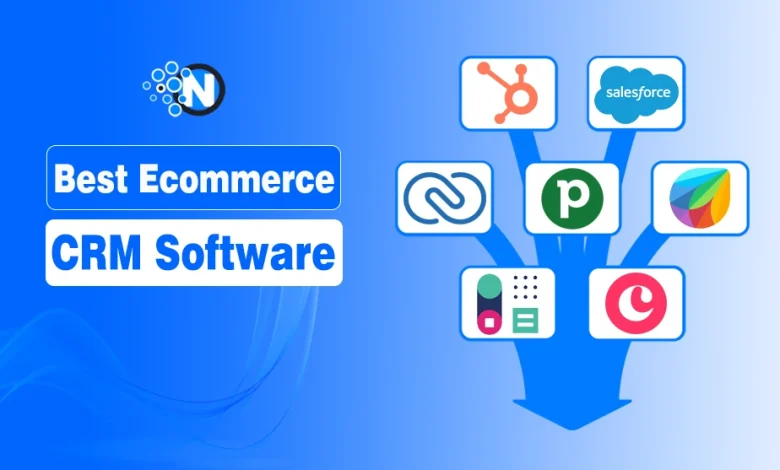
| Name | Pricing | Features | User Reviews |
|---|---|---|---|
| Salesforce | From $25/user/month | Lead Management, Sales Forecasting, Reports & Dashboards | 4.5/5 – Highly customizable and scalable |
| HubSpot CRM | Free, with additional paid marketing tools | Contact Management, Email Tracking, Integrations | 4.7/5 – Simple UI and rich in features |
| Zoho CRM | From $12/user/month | Multichannel Communication, Marketing Automation, AI Tools | 4.3/5 – Great for small to medium-sized businesses |
| Pipedrive | From $15/user/month | Pipeline Management, Email Integration, Reporting | 4.2/5 – Easy to use with a strong sales focus |
| Freshworks CRM | From $29/user/month | AI-Powered Deal Insights, Workflow Automation, Customization | 4.4/5 – Excellent customer support and robust features |
Usability and Scalability of CRM Systems
When selecting a CRM for e-commerce, consider not just the present but also the future. Scalability and usability are the keys to ensuring long-term success. A CRM that grows with your business is a vital investment.
For instance, Salesforce offers extensive customization options, making it ideal for businesses with complex needs or those planning to scale rapidly. HubSpot CRM, on the other hand, provides an intuitive interface perfect for small businesses wanting a straightforward approach without sacrificing functionality.
“Choose a CRM that not only meets your needs today but also anticipates your growth tomorrow.”
Choosing the Best CRM for Specific Business Needs
Every e-commerce business has its unique set of requirements. Whether it’s enhancing customer interaction, improving sales forecasting, or simplifying customer data management, a tailored CRM solution can make all the difference.
- For startups or small businesses, HubSpot CRM offers an excellent free tier with essential tools to get started.
- If your focus is on sales automation with a user-friendly approach, consider Pipedrive.
- Enterprises needing advanced features and customization should explore Salesforce for its robust scalability options.
Identify your key priorities—be it cost, features, scalability, or user experience—and align them with the capabilities of your chosen CRM to ensure a seamless integration into your e-commerce operations.
Implementation Strategies for CRM in E-commerce

Effective implementation of CRM software in your e-commerce platform can revolutionize customer interaction, streamline operations, and ultimately drive sales growth. However, mastering this integration requires strategic planning and execution.
By understanding the key steps and best practices, e-commerce businesses can harness the full potential of CRM systems and overcome common implementation challenges.
Steps to Effectively Integrate CRM Software
Successfully integrating CRM software into your e-commerce platform involves several critical steps, each designed to ensure a seamless transition and maximum benefit.
- Assess Business Needs: Conduct a thorough analysis of your business requirements to select a CRM solution that aligns with your specific objectives.
- Choose the Right CRM: With a clear understanding of your needs, evaluate different CRM options and choose one that offers the necessary features and flexibility.
- Data Migration: Plan and execute a meticulous data migration strategy to ensure all customer data is accurately transferred to the new system.
- System Integration: Integrate the CRM with existing e-commerce platforms and other relevant software to create a unified environment.
- Training and Support: Provide comprehensive training to your team to ensure they can effectively use the CRM, and establish ongoing support mechanisms.
Best Practices for CRM Deployment
Adhering to proven best practices during CRM deployment can significantly enhance the effectiveness and efficiency of your CRM strategy.
- Involve all stakeholders from the onset to ensure alignment and buy-in.
- Start with a pilot phase to test systems and processes before full-scale implementation.
- Regularly update and maintain the CRM to keep it aligned with evolving business needs.
- Focus on data quality by regularly cleaning and updating your customer database.
- Leverage CRM analytics to gain actionable insights and drive data-driven decisions.
Common Challenges and Solutions During CRM Implementation
Implementing CRM systems is not without its challenges. Addressing these proactively can pave the way for smoother integration and operation.
One of the most frequent challenges is resistance to change. Employees may feel overwhelmed by new systems and processes. To counter this,
provide thorough training
and emphasize the benefits of the CRM to allay fears and build confidence.
Another issue can be data inaccuracies during migration. A meticulous data cleansing process beforehand can minimize this risk. Additionally, invest in robust integration tools to facilitate smooth connectivity between platforms.
Technical issues may arise during or after implementation, which can disrupt operations. Having a dedicated IT team or external consultant on standby can help swiftly resolve such issues.
Future Trends in CRM for E-commerce
The landscape of Customer Relationship Management (CRM) is rapidly evolving, becoming more intelligent and integral to the e-commerce ecosystem. As technology advances, e-commerce businesses are poised to leverage cutting-edge CRM features that promise to redefine customer interactions and business growth.
Let’s delve into the upcoming trends in CRM for e-commerce that will set the stage for future business success.
AI and Automation Transforming CRM
Artificial Intelligence (AI) and automation are no longer mere buzzwords; they are becoming essential components of modern CRM systems. These technologies enhance efficiency by automating routine tasks, allowing e-commerce businesses to focus on strategic initiatives.
AI-driven analytics help in understanding customer behavior in real-time, offering personalized experiences that drive engagement and sales. Moreover, chatbots and virtual assistants powered by AI are revolutionizing customer service by providing instant, round-the-clock support.
CRM Features Shaping the Future of E-commerce
The future of CRM in e-commerce is not just about managing customer data but about building a holistic customer experience. Future CRM systems will integrate seamlessly with social media platforms, offering businesses unprecedented insights into customer preferences and social interactions.
Emerging features like predictive analytics will enable e-commerce businesses to anticipate customer needs and tailor their marketing strategies accordingly. Additionally, CRM platforms will offer more advanced segmentation tools, ensuring that marketing efforts are laser-focused on the right audience.
Final Thoughts
As we look to the future, the evolution of CRM software promises even more exciting innovations for e-commerce businesses. Embracing these changes today means staying ahead of the competition tomorrow. Whether you’re a small startup or an established online retailer, the right CRM solution can be your secret weapon for success. Don’t miss out on the opportunity to revolutionize your customer engagement and business operations. Start exploring the top CRM software today and watch your e-commerce empire thrive.