Are you ready to transform the way you connect with your customers? Imagine a world where every interaction is meaningful, every customer feels valued, and your retention rates soar to new heights. Welcome to the realm of CRM software for customer retention strategies, where innovation meets personalization, and results speak volumes.
In today’s competitive landscape, maintaining a loyal customer base is no longer just an option—it’s a necessity. But how do you ensure your strategies are not just effective but revolutionary? Allow CRM software to be your secret weapon, optimizing every touchpoint and turning satisfied customers into brand advocates. Dive into this captivating exploration of CRM software and discover how it can revolutionize your approach to customer retention.
Understanding CRM Software in Customer Retention
In the fast-paced world of business, retaining customers is more challenging than ever. CRM software emerges as a vital tool to enhance customer retention strategies, offering businesses the ability to maintain and nurture their most valuable relationships.
By centralizing customer interactions and data, CRM software provides a comprehensive overview of customer behavior, preferences, and loyalty, enabling businesses to tailor their approaches and deliver personalized experiences.
The Role of CRM Software in Enhancing Customer Retention
CRM software is not just a digital address book; it is a powerful tool designed to track and manage every customer interaction. By leveraging data analytics, it aids businesses in understanding customer needs and predicting future behavior. This understanding empowers organizations to create strategies that anticipate customer needs and foster long-term loyalty.
For instance, a company using CRM can proactively reach out to customers with personalized offers, thereby increasing retention rates. This approach transforms customer interactions from transactional to relational, building trust and strengthening connections.
How CRM Software Tracks Customer Interactions
CRM software meticulously records every touchpoint a customer has with a business. This includes emails, phone calls, social media interactions, and purchase history. By consolidating this information, businesses gain insights into customer preferences and behavior patterns.
- Automated logging of communications ensures no interaction is missed.
- Integration with other systems provides a 360-degree view of the customer.
- Advanced analytics predict customer churn and identify retention opportunities.
Real-World Examples of CRM Software Improving Retention
Several businesses have successfully utilized CRM software to enhance customer retention. For example, a retail company improved its retention rate by 20% through targeted email campaigns powered by CRM insights. Another example is a tech firm that reduced churn by 15% by identifying disengaged users and re-engaging them with personalized offers.
“CRM software acts as the backbone of modern customer retention strategies, turning data into actionable insights.”
Features of CRM Software Beneficial for Retention
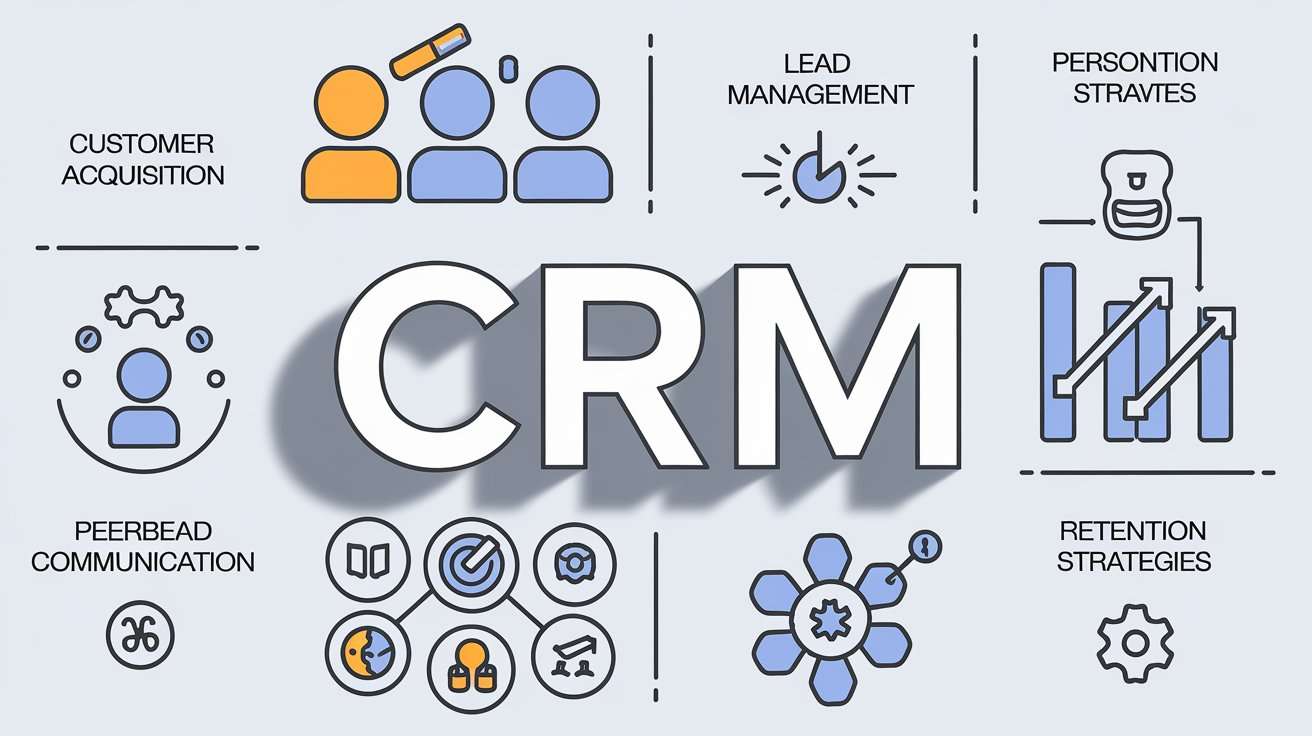
In the dynamic world of business, customer retention is the lifeblood of sustained success. CRM software emerges as a powerful ally in this journey, offering a suite of features that enhance the ability to keep customers engaged and satisfied.
By leveraging advanced technology, CRM systems not only help in understanding customer needs but also in seamlessly orchestrating personalized experiences that can lead to lasting loyalty.
Automated Customer Interaction Tracking
One of the cornerstones of CRM software is its ability to automate the tracking of customer interactions. This includes emails, calls, meetings, and even social media interactions. By having a centralized record, businesses can easily review past communications and anticipate customer needs, making interactions more meaningful and timely.
Personalized Communication through Segmentation
CRM systems empower businesses by offering customer segmentation capabilities. This feature allows companies to divide their customer base into distinct groups based on behaviors, preferences, and purchase history. With this information, personalized communication becomes a reality, leading to more relevant and impactful messaging that resonates with each customer segment.
Streamlined Automation for Retention
The power of automation in CRM cannot be overstated. By automating repetitive tasks like follow-ups, reminders, and thank-you notes, CRM software ensures that no customer is left unattended. This not only saves time but also enhances the consistency and reliability of customer interactions, vital for building strong relationships.
Comparative Analysis of CRM Features for Retention
Here we present a comparative analysis of key CRM software features that focus on customer retention, providing insights into how different systems cater to this essential business need.
| Feature | CRM A | CRM B | CRM C |
|---|---|---|---|
| Automated Interaction Tracking | Comprehensive | Moderate | Basic |
| Customer Segmentation | Advanced | Standard | Advanced |
| Automation of Tasks | Extensive | Limited | Extensive |
| Personalized Communication | High | Medium | High |
“In a world where customers are king, CRM software is the crown jewel that ensures loyalty and satisfaction.”
Implementing CRM Software for Retention Strategies
Integrating CRM software into your customer retention arsenal is akin to adding a secret ingredient that transforms a good recipe into a great one. The following steps illuminate the pathway to seamlessly weave CRM capabilities with your existing strategies.
Begin by understanding the architecture of your current retention strategies and identify areas where CRM software can enhance or streamline processes. The integration process should be a harmonious blend of technology and strategy, resulting in a robust framework tailored to retain customers effectively.
Step-by-Step Integration of CRM Software
The journey to enhancing retention with CRM involves a methodical approach. Initially, conduct a comprehensive audit of your existing systems to ensure compatibility and identify potential gaps that CRM can fill. Next, develop a strategic roadmap that aligns CRM capabilities with your retention goals. This involves setting clear objectives and defining key performance indicators (KPIs) to measure success. Then, engage stakeholders and guide your team through training sessions to ensure everyone is adept at utilizing the new system. Finally, regularly evaluate and refine the integration to adapt to evolving customer needs.
Customizing CRM to Meet Specific Retention Goals
Customization is the heart of effective CRM deployment. Tailor your CRM software to resonate with your brand’s unique retention objectives. This might involve setting up specific customer segmentation rules or automating personalized follow-up communications. Furthermore, integrate analytics tools to obtain deep insights into customer behavior, enabling you to craft bespoke retention strategies that speak directly to customer desires and expectations.
Best Practices for CRM Implementation in Retention Efforts
To ensure the successful implementation of CRM software in your retention strategies, follow these best practices:
| Best Practice | Description |
|---|---|
| Thorough Training | Invest time in comprehensive training for your team to maximize CRM utilization. |
| Customer-Centric Configuration | Customize CRM settings to prioritize customer preferences and needs. |
| Regular System Audits | Conduct routine checks to ensure the system is operating optimally and aligned with retention goals. |
| Feedback Mechanism | Incorporate feedback loops within the CRM system to continuously improve retention strategies. |
“Align CRM features with the nuances of your retention strategy to turn customer loyalty into an art.”
Analyzing Customer Data with CRM Software
In the ever-evolving landscape of customer retention, CRM software stands as a powerful ally, transforming raw data into actionable insights. By leveraging this technology, businesses can dissect complex customer behaviors and tailor strategies to enhance loyalty.
CRM software meticulously analyzes customer interactions, purchasing patterns, and feedback to provide a comprehensive view of customer preferences and tendencies. This data-driven approach allows businesses to anticipate needs and respond proactively, fostering stronger relationships and reducing churn.
Utilizing CRM Data to Forecast Customer Behavior
CRM systems are equipped with predictive analytics that help businesses foresee customer demands before they arise. By applying algorithms and trend analysis, CRM software can identify patterns in historical data, allowing companies to predict future behaviors.
- Segment customers based on purchasing history and interaction frequency.
- Identify potential churn risks through behavioral patterns.
- Forecast product interest with trend analysis.
| CRM Feature | Benefit for Forecasting |
|---|---|
| Data Segmentation | Enables targeted retention strategies |
| Trend Analysis | Anticipates shifts in customer demand |
| Behavioral Insights | Identifies potential churn candidates |
Data-Driven Retention Strategies Using CRM Analytics
Armed with CRM insights, businesses can craft personalized retention strategies that resonate with their audience. Imagine a scenario where a company utilizes CRM data to offer tailored promotions to high-value customers, enhancing engagement and loyalty.
For instance, a retail brand could analyze its CRM database to find that a segment of customers frequently purchases seasonal items. With this insight, the brand can preemptively launch exclusive promotions for these customers ahead of peak seasons, ensuring they feel valued and understood.
“Understanding your customer through data is not just about knowing them—it’s about predicting their next move.”
Measuring the Success of CRM-enhanced Retention Strategies
In the dynamic world of customer relationship management, understanding the tangible impact of your CRM software on retention strategies is pivotal. The right metrics and frameworks can turn data into actionable insights, driving continuous improvement and customer loyalty.
To accurately measure the effectiveness of CRM-driven strategies, organizations must align their efforts with key performance indicators that reflect true customer engagement and retention.
Key Metrics to Evaluate CRM-driven Retention Strategies
Measuring the success of CRM-enhanced retention strategies requires a clear understanding of specific metrics that gauge customer loyalty and satisfaction. Here are the top metrics to consider:
- Customer Retention Rate (CRR) – indicates the percentage of customers a company has retained over a specific period.
- Churn Rate – measures the percentage of customers who stop using your service during a given timeframe.
- Customer Lifetime Value (CLV) – evaluates the total worth of a customer over the entire relationship.
- Net Promoter Score (NPS) – assesses customer loyalty by how likely they are to recommend your company.
Framework for Assessing CRM Impact on Customer Retention
To systematically evaluate the impact of CRM software on customer retention, organizations should adopt a structured framework that involves:
- Setting clear retention goals aligned with business objectives.
- Using data analysis tools to track and interpret retention metrics.
- Establishing benchmarks to compare performance over time.
- Regularly reviewing and adjusting CRM strategies to align with changing customer behaviors.
Procedure for Continuous Improvement in CRM-based Retention Efforts
Continuous improvement is crucial for maximizing the benefits of CRM software. Implementing the following procedure can ensure ongoing enhancements in your retention efforts:
“Continuous improvement is better than delayed perfection.”
Begin by conducting regular feedback loops with both customers and employees to gather insights on CRM performance. Leverage this information to make iterative adjustments and innovations in your strategies. Additionally, invest in ongoing training and development to ensure that your team is equipped with the latest CRM capabilities and best practices.
Future Trends in CRM Software and Customer Retention
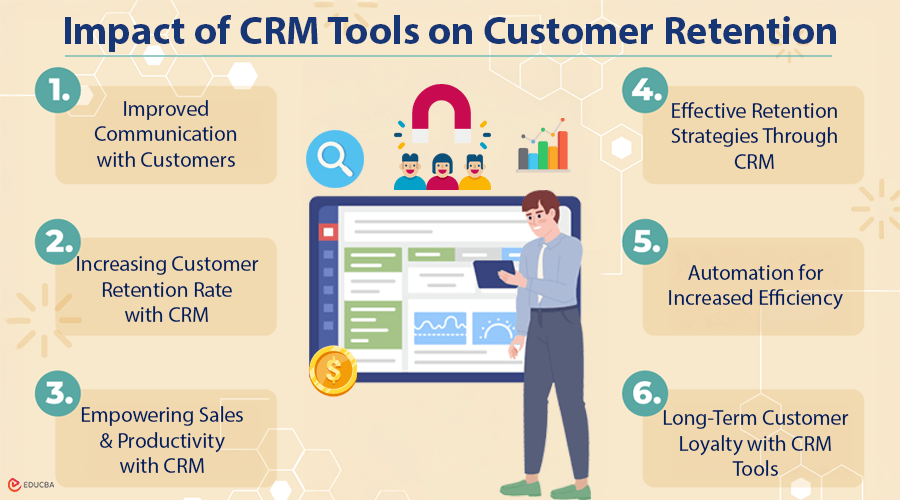
As businesses evolve, so too must their customer relationship management strategies. The future of CRM software is brimming with possibilities, offering exciting trends that promise to revolutionize how companies retain their most valuable asset: customers.
Let’s explore the emerging trends and technological advancements that could transform future customer retention strategies and enhance customer experiences.
AI and Machine Learning Integration
One of the most significant trends in CRM software is the integration of Artificial Intelligence (AI) and Machine Learning (ML). These technologies enable CRMs to analyze large datasets and predict customer behavior with precision. They empower businesses to offer personalized experiences, anticipate customer needs, and proactively address potential issues before they arise.
Imagine a CRM that automatically suggests products to customers based on their shopping history or identifies when a customer is about to churn, allowing businesses to engage them with tailored offers. These capabilities are no longer futuristic; they are becoming a reality.
Enhanced Mobility and Cloud-Based Solutions
In our increasingly mobile world, CRM software is evolving to offer greater flexibility and accessibility. Cloud-based CRM solutions are leading the charge, enabling businesses to access customer data from anywhere, at any time. This mobility ensures that sales and customer service teams can provide immediate support, keeping customers satisfied and engaged.
With the rise of mobile CRM apps, the power of customer data is literally at your fingertips. Whether you’re at a client meeting or out in the field, you can make informed decisions on the go, ensuring no opportunity is lost.
Omni-channel Experience Integration
The modern customer interacts with brands through various channels—social media, email, phone, in-store, and more. The future of CRM software will see a stronger integration of omni-channel experiences, providing a seamless customer journey.
Picture a CRM that tracks interactions across all these channels, offering a unified view of the customer. This comprehensive perspective allows businesses to deliver consistent and personalized experiences, no matter how or where customers choose to engage.
“The best way to predict the future is to create it.”
Embracing these trends in CRM technology sets the stage for businesses to not only meet but exceed customer expectations, paving the way for sustained loyalty and retention.
Final Thoughts

As we journey into the future of customer interactions, the role of CRM software in enhancing retention strategies cannot be overstated. With its dynamic capabilities, CRM software is not just a tool; it’s your strategic partner in building lasting customer relationships. Embrace the future, harness the power of CRM, and watch your customer retention efforts flourish beyond imagination. The time to act is now—transform your customer retention strategies with CRM software and secure your place as a leader in customer loyalty.