In the dynamic world of business, where customer satisfaction reigns supreme, the quest for excellence never stops. Large enterprises, with their vast networks and expansive operations, face the unique challenge of managing customer relationships at scale. Enter CRM software, the unsung hero of modern business operations. It’s not just a tool—it’s the secret weapon that can transform customer interactions into long-lasting relationships and drive exponential growth.
Imagine a world where every customer interaction is personalized, every decision is data-driven, and every process is seamlessly integrated. This is the promise of CRM software for large enterprises. With its powerful features and capabilities, it becomes the backbone of your enterprise, streamlining operations and unlocking a new level of efficiency. But choosing the right CRM solution is crucial, and that’s where our guide comes in. Let us take you on a journey to discover the best CRM software tailored specifically for large enterprises, ensuring you make a decision that propels your business into the future.
Introduction to CRM Software for Large Enterprises
In the bustling world of large enterprises, where customer interactions span across continents and departments, CRM software becomes the beacon guiding these giants towards efficiency and customer satisfaction. It’s not just a tool; it’s the backbone supporting complex customer relationship dynamics.
CRM software is pivotal in creating a unified view of customer data, streamlining processes, and enhancing customer interactions. With its ability to integrate and analyze vast amounts of data, it empowers enterprises to make data-driven decisions, personalize customer experiences, and forge long-lasting customer relationships.
Essential Features of CRM Software for Large Enterprises
For large enterprises, a robust CRM system is non-negotiable. It must come equipped with advanced analytics, scalability, and seamless integration capabilities. These features ensure that the software can handle the complexity and volume of data that large enterprises manage daily. Moreover, a top-tier CRM should offer customizable dashboards and automated workflows to enhance productivity and efficiency across sprawling business operations.
The Support System for Large-Scale Customer Relationship Management
CRM software is the unsung hero in the arena of large-scale customer relationship management. By providing a centralized database accessible to all customer-facing departments, it ensures consistent and personalized communication. This fosters trust and loyalty, which are crucial in maintaining a competitive edge in today’s volatile market. Furthermore, the software’s real-time insights and predictive analytics empower enterprises to anticipate customer needs and tailor their strategies accordingly.
Benefits of Implementing CRM Software in Large Enterprises
In the bustling world of large enterprises, customer relationship management (CRM) software emerges as a pivotal tool, transcending mere operational efficiency. This powerful ally not only streamlines business processes but also elevates customer interaction to an art form.
At its core, CRM software promises a nexus of organization, insight, and foresight. As companies expand, managing vast amounts of data and customer interactions becomes increasingly complex. CRM software cuts through this complexity, serving as a digital backbone that supports robust customer engagement strategies and data-driven decision-making.
Streamlining Operations for Enhanced Efficiency
Imagine a world where every department in your enterprise dances in perfect harmony. CRM software makes this dream a reality by integrating disparate workflows. Automated processes reduce human error and free up valuable time, allowing teams to focus on innovation rather than mundane tasks. From sales and marketing to customer service, CRM software ensures that all facets of the business are aligned and functioning seamlessly.
Elevating Customer Satisfaction and Retention
In the quest for brand loyalty, CRM software is your ultimate secret weapon. By personalizing customer interactions, businesses can anticipate needs and exceed expectations. The software provides a 360-degree view of each customer, enabling tailored communications and fostering a sense of connection that goes beyond transactions. As a result, customer retention is not just a goal—it becomes a natural outcome.
Empowering Data Analysis and Decision-Making
In the age of information, data is king, and CRM software is the throne upon which it sits. With robust data analysis capabilities, CRM tools transform raw data into actionable insights. Enterprises can make informed decisions, backed by real-time analytics that reveal trends, patterns, and opportunities. This strategic advantage turns decision-making from a guessing game into a precise science.
Comparison of Leading CRM Software Options for Large Enterprises

In the bustling world of large enterprises, selecting the right CRM software can be the key to unlocking better customer relationships and streamlined processes. But with so many options available, how do you choose the best one for your organization?
Let’s dive into a comparison of the leading CRM software solutions, evaluating their distinct features, pricing models, and scalability to cater to the dynamic needs of large enterprises.
Exploring the Top CRM Software Solutions: A Comparative View
When selecting a CRM solution for a large enterprise, it’s crucial to consider not only the immediate needs but also the future growth prospects of the business. Here’s a streamlined comparison of some of the industry’s top contenders:
| Software Name | Key Features | Pricing | Customer Support |
|---|---|---|---|
| Salesforce | Customizable dashboards, AI capabilities, robust integration options | Starts at $25/user/month | 24/7 support, extensive online resources |
| Microsoft Dynamics 365 | Unified CRM and ERP capabilities, powerful data insights, Microsoft ecosystem integration | Starts at $65/user/month | Dedicated support plans, expansive community forums |
| SAP CRM | Comprehensive analytics, omnichannel support, cloud and on-premise options | Custom pricing | Premium support services, community support |
| Oracle CRM | End-to-end customer lifecycle management, social media integration, AI-powered analytics | Custom pricing | 24/7 customer service, robust training modules |
Differentiating Aspects of Top CRM Solutions
Each CRM software caters to varying facets of enterprise needs, from integration capabilities to artificial intelligence enhancements. It’s vital to identify which unique functionalities align with your strategic objectives. For instance, Salesforce’s AI tools can revolutionize predictive analytics, while Microsoft Dynamics 365 seamlessly combines CRM and ERP functionalities.
Scalability in CRM Software for Growing Enterprises
Scalability is a cornerstone of any CRM solution meant for large enterprises. As businesses evolve, their CRM systems must adapt without losing efficiency. Consider how SAP CRM’s cloud options allow for on-demand scalability, or how Oracle CRM’s flexible architecture supports complex enterprise setups. Emphasize the future-proof potential to ensure your chosen CRM can scale alongside your ambitions.
“Choosing a CRM isn’t just about today—it’s about building a foundation for tomorrow.”
Key Criteria for Selecting CRM Software in Large Enterprises
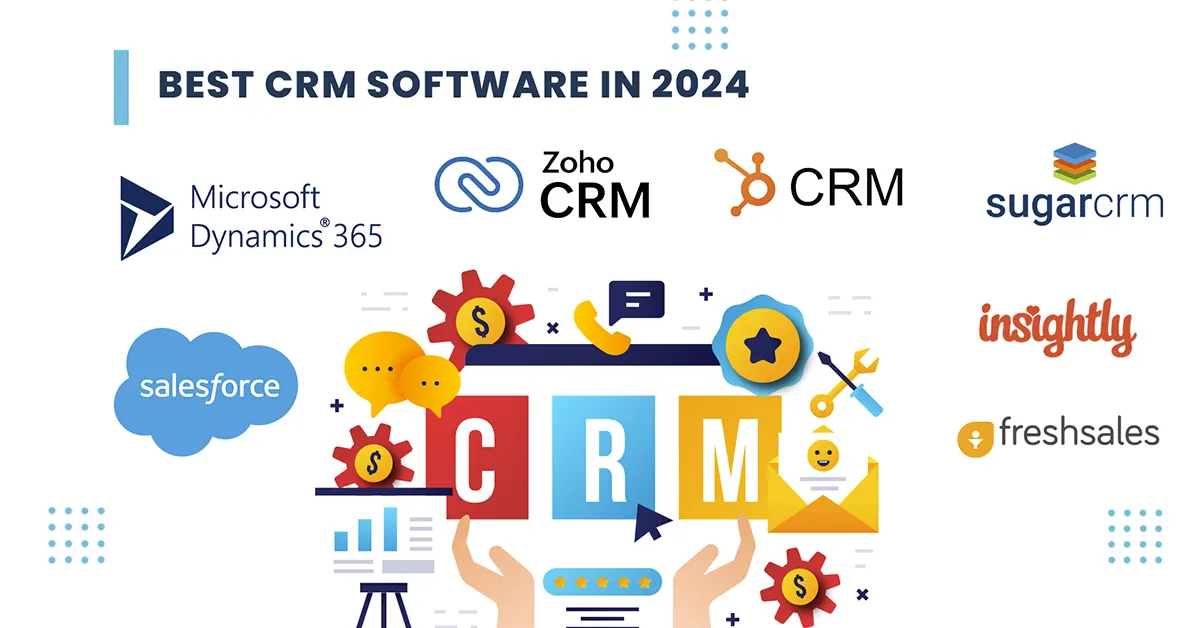
In the quest to elevate customer interactions, large enterprises must meticulously select CRM software that aligns with their vast and complex needs. This endeavor isn’t just about picking the most popular option; it’s about finding a tailored solution that integrates seamlessly with existing systems.
Understanding these criteria will empower businesses to harness the full potential of their CRM investment, ensuring both operational efficiency and a superior customer experience.
Integration Capabilities and Customization Options
For large enterprises, integration capabilities are paramount. The CRM software must effortlessly connect with existing tools and platforms like ERP systems, marketing automation tools, and customer support solutions. Equally important are customization options, allowing enterprises to tailor the CRM to their unique workflows and processes. These features ensure that the CRM software is not just an additional tool but a core component of the business.
The Importance of User-Friendly Interfaces and Mobile Accessibility
With a diverse workforce, large enterprises require CRM software that offers a user-friendly interface to ensure high adoption rates among employees. An intuitive design reduces the learning curve, allowing teams to focus on strategic tasks rather than navigation. Additionally, mobile accessibility is crucial in today’s fast-paced environment, enabling field agents and remote workers to access vital customer information on-the-go, thus maintaining productivity and responsiveness.
Robust Reporting and Analytics Features
Effective decision-making in large enterprises hinges on robust reporting and analytics features. The ability to generate detailed reports and extract actionable insights from customer data is invaluable. These features empower businesses to identify trends, forecast outcomes, and personalize customer interactions, driving growth and enhancing customer satisfaction. As one sage in business insight aptly put it:
“Data-driven decisions are the currency of modern enterprises.”
Thus, investing in CRM software with advanced analytics capabilities is not merely an option, but a necessity for large enterprises aiming to stay ahead of the curve.
Implementation Strategies for CRM Software in Large Enterprises

Implementing CRM software in large enterprises can transform the way organizations engage with their clients, streamline operations, and boost overall productivity. However, the transition requires a meticulous approach to ensure success and avoid disruptions.
With a step-by-step guide, enterprises can navigate the complexities of CRM implementation and harness its full potential. Let’s delve into the strategic steps that can make this transition smooth and effective.
Step-by-Step Guide for Effective CRM Implementation
Embarking on a CRM implementation demands careful planning and execution. Below is a comprehensive guide to assist large enterprises in this journey:
- Assessment and Goal Setting: Begin by identifying the specific needs and goals of your organization. Conduct a thorough assessment of current processes to determine where CRM can add the most value.
- Vendor Selection: Based on your needs, choose a CRM vendor that aligns with your business objectives. Consider factors like scalability, customization options, and customer support.
- Data Migration: Plan the migration of existing data into the new CRM system. Ensure data integrity and clean up any inconsistencies for a smooth transition.
- System Integration: Integrate the CRM software with existing systems such as ERP, email, and marketing automation tools to create a seamless data flow across platforms.
- Customization: Customize the CRM software to fit your business processes. This may involve setting up workflows, dashboards, and reporting formats that reflect your unique operational needs.
- Testing and Feedback: Conduct thorough testing of the CRM system. Gather feedback from pilot users and make necessary adjustments to address any issues before full deployment.
- Full Deployment: Roll out the CRM software across the organization, ensuring minimal disruption to ongoing operations. Monitor the process closely to solve any emerging challenges.
Best Practices for Training Employees
Training employees to proficiently use CRM software is crucial for its success. Here are some best practices to ensure an effective training program:
- Comprehensive Training Modules: Develop extensive training modules that cover all aspects of the CRM software, from basic functions to advanced features.
- Role-Based Training: Tailor the training sessions according to different user roles within the organization to address specific needs and responsibilities.
- Interactive Learning: Incorporate interactive elements such as hands-on sessions, quizzes, and simulations to enhance engagement and retention.
- Continuous Support: Establish a support structure that offers ongoing assistance, whether through a helpdesk, online resources, or periodic refresher courses.
- Feedback Mechanism: Encourage employees to provide feedback on the training process, allowing for continuous improvement and customization.
Overcoming Common Challenges During Implementation
CRM implementation in large enterprises often faces hurdles. Understanding these challenges and having strategies to overcome them can ensure a smoother transition:
One prevalent challenge is resistance to change. Employees may be hesitant to adopt new technology due to comfort with existing systems.
“Change management is key,”
says industry experts; focusing on clear communication about the benefits and providing robust support can ease this transition.
Another challenge is data quality issues. Inaccurate data can undermine the effectiveness of CRM systems. Conducting a thorough data audit and establishing strong data governance practices can mitigate this risk.
Lastly, the integration with legacy systems sometimes poses difficulties. Ensuring compatibility and engaging with experienced IT professionals for seamless integration can prevent software silos and data fragmentation.
Future Trends in CRM Software for Large Enterprises

As the digital era continues to evolve, CRM software for large enterprises is not just keeping pace—it’s setting the stage for innovation. The future promises groundbreaking advancements poised to revolutionize the way businesses interact with their customers.
With the rise of emerging technologies, CRM systems are becoming more sophisticated, offering a blend of intuitive design and comprehensive data analytics that cater specifically to the vast needs of large enterprises.
Emerging Technologies Shaping CRM Development
Emerging technologies such as cloud computing, the Internet of Things (IoT), and blockchain are paving the way for more secure, efficient, and scalable CRM solutions. Cloud technology is enhancing accessibility, allowing enterprises to manage customer relations from virtually anywhere, while IoT is enabling real-time data collection from a myriad of connected devices, enriching customer profiles with actionable insights. Meanwhile, blockchain is ensuring data security and transparency, providing peace of mind in an increasingly data-driven world.
The Role of AI and Machine Learning in CRM
Artificial Intelligence (AI) and machine learning are not just buzzwords—they are the powerhouse engines propelling CRM software to new heights. These technologies enable CRM systems to learn from data and make informed predictions, automating routine tasks and providing deeper customer insights. For large enterprises, AI is transforming CRM software into a strategic tool that can anticipate customer needs, personalize interactions, and ultimately drive customer satisfaction and loyalty.
Future-Proofing CRM Solutions for Large Enterprises
The CRM solutions of tomorrow will be designed to not just keep up with the dynamic needs of large enterprises, but to exceed them. These systems will offer customizable dashboards, allowing businesses to tailor their interfaces to their unique processes. Furthermore, the incorporation of predictive analytics will allow CRM platforms to offer foresight into market trends and customer behavior, empowering enterprises to stay ahead of the curve.
Closure
As the business landscape continues to evolve, the importance of robust CRM software for large enterprises cannot be overstated. It’s more than a technological tool; it’s a strategic asset that empowers your business to thrive in a highly competitive market. By harnessing the right CRM solution, you can enhance customer experiences, streamline operations, and make informed decisions that foster growth and innovation.
Embark on this transformative journey armed with the insights from our comprehensive guide. Let the power of CRM software propel your enterprise to new heights, ensuring that every customer interaction is meaningful, every strategy is impactful, and your business is always one step ahead. The future of your enterprise awaits—embrace the possibilities of the best CRM software designed for large enterprises and watch as your business achieves unparalleled success.