Imagine a world where your small business thrives on building strong, lasting relationships with your customers, all while effortlessly managing daily operations. Welcome to the realm of CRM software for small business solutions—your gateway to unlocking unparalleled success in customer management and operational efficiency.
In today’s competitive landscape, maintaining a personal touch with your customers is paramount. CRM software not only streamlines communication but also empowers you to understand your customers’ needs at a deeper level, resulting in heightened satisfaction and loyalty. Prepare to revolutionize how you connect with your clients and skyrocket your business growth!
Benefits of CRM Software for Small Businesses

In the bustling world of small business, staying organized and efficient is the key to success. The right CRM software can be the game-changer you need to transform chaotic customer interactions into a seamless, rewarding experience for both you and your clients.
Imagine a tool that not only keeps track of all your customer data but also analyzes it to provide actionable insights. That’s precisely what CRM software offers, revolutionizing the way small businesses manage relationships with their clients.
Enhancing Efficiency and Productivity
CRM software is like having an extra pair of hands that never tires. It automates mundane tasks, such as data entry and customer follow-ups, freeing up your time to focus on more strategic activities. By centralizing all customer information in one place, it reduces the need for constant back-and-forth communication across departments, thereby streamlining operations. This leads to not only improved productivity but also a significant reduction in operational costs.
Improving Customer Service and Satisfaction
With CRM software, delivering top-notch customer service becomes second nature. The software provides a 360-degree view of your clients, allowing you to anticipate their needs and tailor responses accordingly. This personalized approach enhances customer satisfaction and fosters loyalty. Happy customers are more likely to become repeat customers and brand advocates who spread the word about your business.
Successful Case Studies of Small Businesses
Consider companies like ‘Brewed Awakening’, a small coffee shop that utilized CRM software to track customer preferences and send personalized offers. Or ‘Petal Pushers’, a floral business that streamlined its order process and improved client communication. These examples demonstrate how leveraging CRM tools can lead to tangible growth and enhanced customer satisfaction.
Key Features to Look for in a CRM Solution

Choosing the right CRM software can be a game-changer for small businesses, optimizing customer interactions and streamlining operations. In an ocean of options, identifying the key features that align with your business needs is crucial.
Not all CRM solutions are created equal, and understanding which features are essential can help your small business reach new heights. Let’s explore the must-have components that can enhance both operational efficiency and customer satisfaction.
Essential Features for Small Business CRM
When venturing into the world of CRM software, certain features stand out as indispensable for small business success. A powerful CRM should offer a comprehensive suite of tools that enable businesses to manage customer relationships effectively. Here are some key features to consider:
- Contact Management: Allows businesses to store, organize, and manage customer information in a centralized database.
- Sales Automation: Streamlines the sales process by automating repetitive tasks, enabling your sales team to focus on closing deals.
- Email Marketing Integration: Facilitates targeted marketing campaigns by integrating CRM data with email marketing platforms.
- Lead Tracking: Monitors and tracks leads throughout the sales funnel, ensuring no opportunity is missed.
- Reporting and Analytics: Provides insights into sales performance and customer behavior to guide strategic decisions.
The Importance of a User-Friendly Interface
A CRM solution should be a tool for growth, not a burden. A user-friendly interface is paramount as it ensures that all team members can effectively utilize the system without being bogged down by complex navigation or unnecessary features. When users can easily access and interpret data, they are more inclined to use the CRM to its full potential.
“Ease of use in a CRM is not just a feature; it is the key to adoption and long-term success.”
Comparing Top CRM Software Features
To aid in your selection process, we’ve compiled a comparison table of top CRM software features that are typically suited for small businesses. This will help you make an informed decision based on your specific needs:
| Feature | CRM A | CRM B | CRM C |
|---|---|---|---|
| Contact Management | Yes | Yes | Yes |
| Sales Automation | Basic | Advanced | Moderate |
| Email Marketing | No | Yes | Yes |
| Lead Tracking | Yes | Yes | No |
| Analytics | Basic | Advanced | Basic |
The Role of Automation in Business Growth
Automation in CRM solutions is not just a convenience; it is a catalyst for growth. By automating repetitive tasks such as data entry, follow-up emails, and customer feedback collection, small businesses can save valuable time and resources. This allows teams to focus on strategic activities that drive revenue and enhance customer experience.
With automation, the CRM becomes a proactive tool, managing customer interactions seamlessly and ensuring that your business stays ahead of the curve. In essence, automation transforms a CRM from a reactive system into a dynamic engine for growth.
Cost-Effective CRM Solutions for Small Businesses
Unlocking the power of CRM software doesn’t have to break the bank. With a myriad of cost-effective options available, small businesses can easily find the perfect fit to enhance customer relationships and drive growth.
Exploring budget-friendly CRM software options allows small enterprises to benefit from powerful tools designed to streamline operations, improve customer satisfaction, and ultimately increase profitability.
Affordable CRM Software Options for Small Businesses
For small businesses seeking budget-friendly CRM solutions, there are numerous platforms tailored to limited budgets yet packed with essential features. These options allow businesses to leverage CRM benefits without overspending:
- Zoho CRM: Known for its versatility and affordability, Zoho offers a free plan with core features ideal for startups.
- HubSpot CRM: A completely free option that is perfect for businesses looking to streamline marketing and sales processes with user-friendly tools.
- Freshsales: Offers a free tier with lead management and contact tracking, ideal for small teams needing basic CRM functionalities.
- Insightly: Provides a low-cost plan designed to help small businesses manage contacts and projects efficiently.
Comparing Pricing Plans of Popular CRM Solutions
When selecting CRM software, understanding the pricing structures is crucial. Here’s a comparison of some popular CRM solutions suitable for small enterprises:
| CRM Solution | Free Plan Availability | Starting Paid Plan |
|---|---|---|
| Zoho CRM | Yes | $12/user/month |
| HubSpot CRM | Yes | $45/month (for advanced features) |
| Freshsales | Yes | $15/user/month |
| Insightly | No | $29/user/month |
Assessing the ROI of CRM Investments
Investing in CRM software should offer a tangible return on investment (ROI). To evaluate this, small businesses should:
- Identify specific goals such as increased sales or improved customer retention.
- Track key performance indicators (KPIs) pre and post-CRM implementation.
- Calculate the financial impact of improvements in processes, reduced churn, and increased customer satisfaction.
“A well-implemented CRM system can transform a small business’s operations, making every dollar spent on it an investment rather than an expense.”
Strategies for Selecting a Cost-Effective CRM
Choosing the right CRM without compromising on quality involves strategic decision-making. Here are some approaches:
- Start with a clear understanding of the business’s needs and budget constraints.
- Opt for scalable solutions that grow with your business.
- Take advantage of free trials to test features and usability.
- Ensure the software integrates well with existing tools to maximize functionality.
Integrating CRM Software with Existing Business Tools

In the fast-paced world of small business, efficiency is key. Integrating your CRM software with existing business tools can transform your operations from ordinary to extraordinary. This seamless integration enhances productivity, saves time, and ultimately boosts customer satisfaction.
With CRM integration, your business can unify different aspects of its operations, allowing you to manage everything from one central hub. Whether it’s connecting with customers via email or social media, or managing finances through accounting software, integration is the bridge that connects disparate systems into a cohesive workflow.
The Art of Seamless Integration
Integrating your CRM with tools like email, social media, and accounting software provides a streamlined flow of information. This empowers your business to respond quickly to customer needs and market demands. Here’s how you can achieve this:
- Email Integration: Sync your CRM with email clients to automatically track communications, ensuring no conversation is missed. This integration allows for automated follow-ups and personalized outreach, enhancing customer engagement.
- Social Media Integration: Connect your CRM with social media platforms to monitor customer interactions and capture leads directly from social media campaigns. This keeps your team informed about customer sentiment and engagement trends.
- Accounting Software Integration: Sync your CRM with accounting tools to streamline financial data management. This helps in automatic invoicing, efficient billing, and financial reporting, saving time and reducing errors.
Steps to Integrate CRM with Popular Business Applications
Here’s a quick guide to getting your CRM integrated with the tools your business relies on:
- Identify Key Tools: Determine which tools need integration. Prioritize those that will have the greatest impact on your workflow.
- Choose Compatible CRM: Use a CRM that supports integrations with your existing tools. Platforms like Salesforce, HubSpot, and Zoho offer robust integration options.
- Utilize APIs: Most CRM software offers APIs for integration. Use these to connect with other applications, ensuring data flows seamlessly between systems.
- Configure Settings: Set up integration settings within the CRM to align with your business processes. Customize notifications, data fields, and sync frequencies.
- Test and Monitor: After setup, test the integrations to ensure everything works as expected. Regularly monitor performance and make adjustments as needed.
Overcoming Integration Challenges
Integrating CRM software isn’t without challenges. Common issues include data silos, compatibility problems, and user adoption hurdles. Here are solutions to these challenges:
| Challenge | Solution |
|---|---|
| Data Silos | Implement data mapping and ensure regular synchronization to prevent data silos. |
| Compatibility | Choose CRM solutions with extensive support for third-party integrations or use middleware solutions. |
| User Adoption | Invest in training sessions and provide continuous support to encourage user adoption. |
Seamless integration isn’t just about technology; it’s about unlocking potential and driving growth.
Case Studies
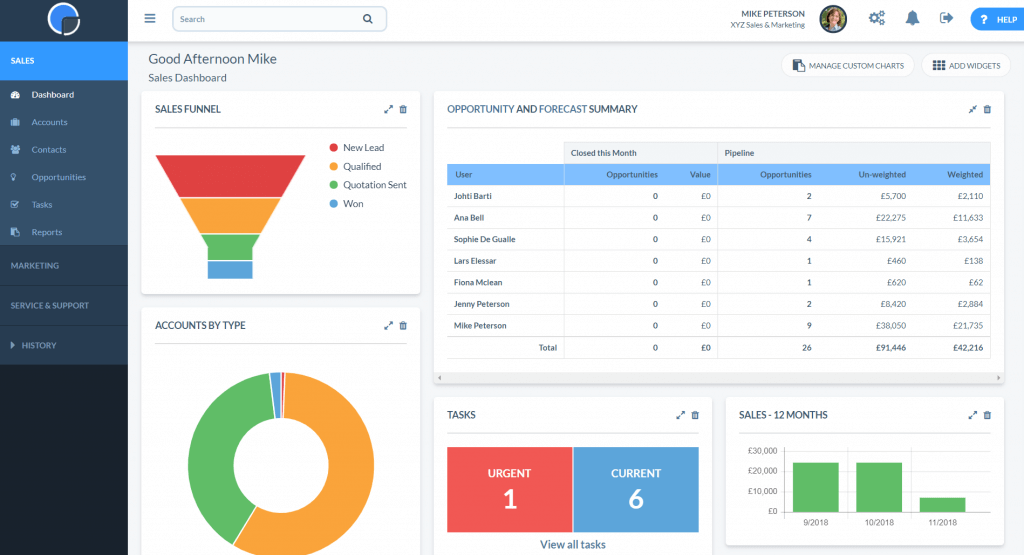
Small businesses are increasingly turning to CRM software to streamline their operations and enhance customer relationships. Here, we explore how some have harnessed the power of CRM for remarkable transformations.
Through diligent planning and execution, these businesses have experienced significant improvements in customer engagement and operational efficiency.
Transforming Customer Engagement and Growth
One exemplary case is that of Green Thumb Landscapes, a small gardening business that faced challenges in managing customer inquiries and follow-ups. After implementing a CRM solution, they reported a 50% increase in customer retention. The software allowed them to automate follow-up emails and track client preferences, resulting in more personalized services.
- Improved communication channels
- Automated follow-ups reduced manual errors
- Enhanced customer profiling
Streamlining Operations with CRM
Another success story is Baker’s Delight, a small bakery struggling with managing orders and customer feedback. They adopted a CRM system that integrated seamlessly with their existing inventory software, enabling more accurate order tracking and customer satisfaction surveys. Post-implementation, they saw a 30% increase in repeat customers and reduced waste by aligning production with demand.
- Efficient inventory management
- Automated customer feedback analysis
- Enhanced order accuracy
Testimonials from Satisfied Business Owners
“Implementing CRM software has transformed how we operate. The ability to track and analyze customer data has been invaluable in personalizing our services.” – Jane Doe, Owner of Green Thumb Landscapes
“Our CRM system has been a game-changer. It connects all our business tools, giving us a 360-degree view of customer interactions.” – John Smith, Owner of Baker’s Delight
Both businesses followed a step-by-step approach to ensure successful CRM adoption. They started with a needs assessment, identifying key areas for improvement. Training sessions were held to familiarize the team with the new system, and regular reviews were conducted to address any issues promptly.
Future Trends in CRM Software for Small Businesses
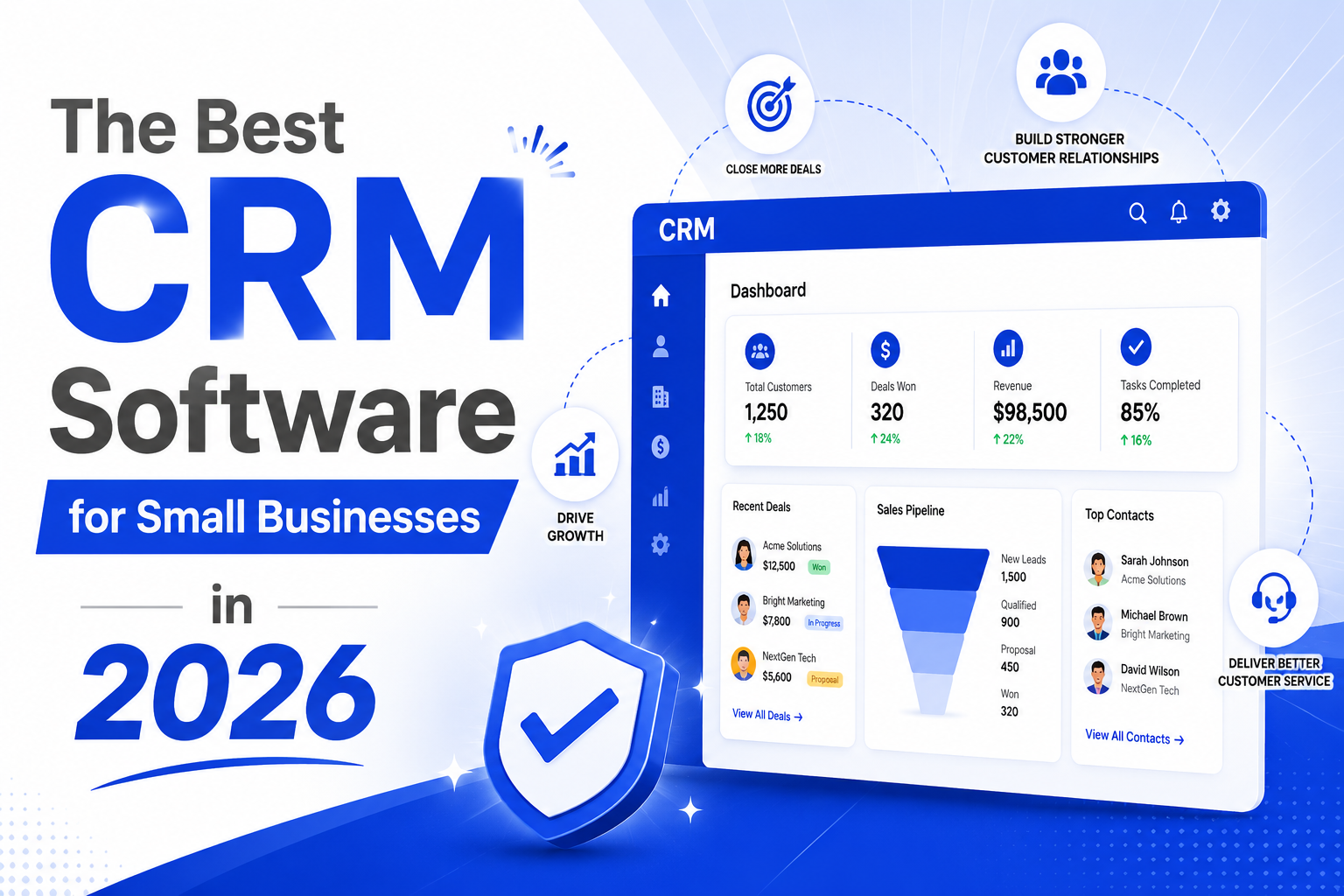
In the ever-evolving landscape of small business management, staying ahead means being aware of the technological trends reshaping how we connect with customers. Let’s explore the future trends in CRM software that are poised to redefine small business solutions.
From AI-driven insights to the seamless integration of mobile platforms, the next wave of CRM solutions promises to enhance efficiency and customer relationships like never before.
AI and Machine Learning in CRM Solutions
Artificial Intelligence (AI) and machine learning are no longer just buzzwords; they are integral components of modern CRM systems. By analyzing customer data, AI-powered CRMs can predict future customer behaviors, automate routine tasks, and deliver personalized marketing strategies that resonate deeply with your audience. This technological leap doesn’t just save time; it creates a more profound connection with customers.
Impact of Mobile CRM Applications
The future is mobile, and CRM applications are no exception. Mobile CRM solutions empower businesses to operate on the go, ensuring that customer management is never bound by location. These applications provide real-time data access, enabling small businesses to respond swiftly to customer inquiries and capitalize on opportunities without the constraints of a physical office.
“CRM on your palm: The future where your business is as mobile as you are.”
Prediction Table: Future Developments in CRM Technology
To better understand the trajectory of CRM technology, let’s look at some anticipated trends and their potential impact on small businesses:
| Trend | Expected Development | Impact on Small Businesses |
|---|---|---|
| AI-Driven Analytics | Enhanced predictive insights and automation | Increased efficiency and personalized customer interactions |
| Mobile CRM Integration | Full-featured mobile access | Improved flexibility and real-time responsiveness |
| Voice-Activated CRM Functions | Use of voice commands for CRM tasks | Streamlined operations and hands-free accessibility |
| Social CRM | Integration with social media platforms | Enhanced engagement and social listening capabilities |
Final Summary

As we venture into the future, staying ahead of the curve with CRM software for small business solutions is no longer just an option—it’s a necessity. Embrace the power of innovative tools, transform your customer interactions, and watch as your small business flourishes with newfound efficiency and success. Don’t just adapt to the future—shape it with the right CRM solution by your side.