Imagine transforming your real estate business into a powerhouse of efficiency and customer satisfaction. That’s the promise of CRM software in real estate management: a tool that not only streamlines operations but also cultivates stronger relationships with clients, ensuring every interaction is meaningful and impactful.
In today’s competitive real estate landscape, staying ahead means embracing technology that empowers your team and enhances client experiences. Discover how CRM software can be your secret weapon, enabling you to manage properties, nurture leads, and close deals faster than ever before. Dive into the world of CRM software for real estate management, where innovation meets opportunity.
Benefits of CRM Software in Real Estate Management

In the fast-paced world of real estate, staying ahead of the competition is crucial. CRM software offers a powerful tool to streamline operations and enhance customer interactions.
By leveraging CRM software, real estate professionals can easily manage their client relations, boost efficiency, and ultimately, drive more successful deals. This innovative technology is transforming the way real estate businesses operate, offering unparalleled advantages.
Enhancing Client Relationship Management
CRM software plays a pivotal role in improving client relationship management by organizing and managing customer data effectively. With a centralized database, real estate professionals can access customer information, track interactions, and follow up promptly. This personalized approach ensures clients feel valued and understood, fostering long-term relationships and increasing loyalty.
Streamlining Real Estate Operations
Implementing CRM software significantly streamlines real estate operations. By automating routine tasks such as follow-ups and scheduling, agents can focus more on client engagement and closing deals. The software’s advanced analytics provide insights into market trends, helping businesses make informed decisions faster.
Successful CRM Implementation Examples
Several real estate firms have witnessed remarkable improvements after adopting CRM software. For instance, a leading real estate agency reported a 30% increase in client retention by leveraging personalized communication strategies enabled by CRM insights. Another brokerage saw a dramatic boost in efficiency, reducing their administrative workload by 40%, allowing agents to dedicate more time to clients.
“CRM software is the catalyst for transforming real estate management, turning client interactions into lasting relationships.”
Key Features of CRM Software for Real Estate
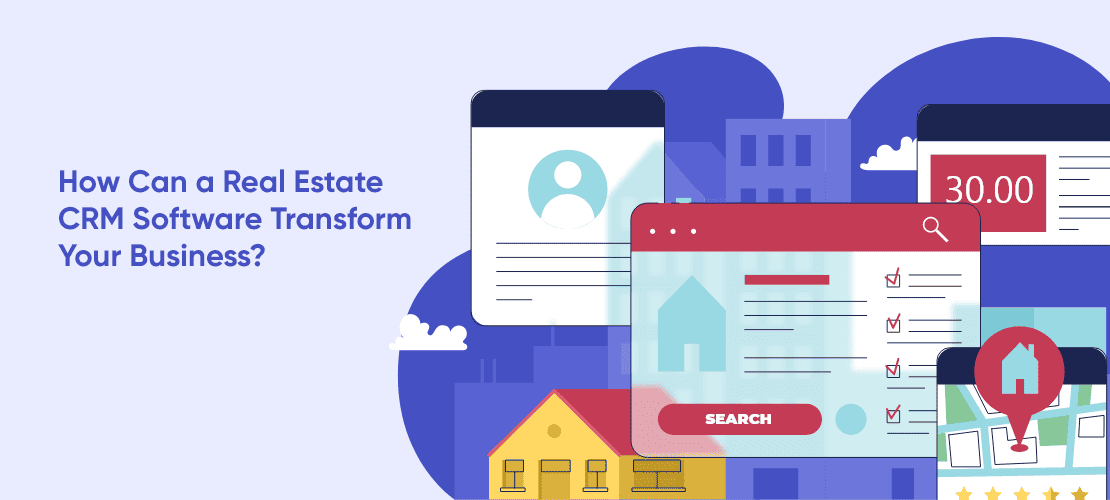
In the bustling world of real estate, where client interactions and property details can become overwhelming, a dedicated CRM software is your secret weapon. By transforming chaos into order, the right CRM transforms how you do business.
Real estate professionals need a CRM that not only manages contacts but also streamlines operations and enhances client interactions. Let’s explore the essential features that empower real estate success stories.
Essential Features in Real Estate CRM
A robust CRM for real estate must offer more than just a contact database. It should include lead management, task automation, and property tracking capabilities, ensuring every deal is nurtured to fruition.
- Lead Management
- Automated Follow-Ups
- Property Listings
- Client Communication Tools
- Analytics & Reporting
Comparison of Popular CRM Software for Real Estate
With myriad options available, choosing the perfect CRM software can be daunting. Here’s a comparative glance to help you make an informed choice.
| CRM Software | Key Features | Advantages |
|---|---|---|
| RealOffice360 | Lead Tracking, Customizable Pipelines, Email Integration | Easy-to-use interface, Strong customer support |
| Zoho CRM | Advanced Analytics, Sales Automation, Mobile Access | Highly customizable, Extensive third-party integrations |
| Propertybase | MLS Integration, Website Management, Automated Marketing | Comprehensive real estate focused features, Strong automation capabilities |
Organizing Features for Quick Reference
To maximize efficiency, it’s crucial to have a quick reference of pivotal CRM functionalities. This aids in ensuring no feature is overlooked during your selection process.
“The right CRM is not just a tool, it’s a catalyst for growth.”
Organize your CRM’s features to align with your business goals, ensuring seamless transactions and satisfied clients.
Customizing CRM Software for Real Estate Needs
.png "Real Estate Broker CRM Software: Boost Sales and Streamline Operations ...")
In the dynamic realm of real estate, a one-size-fits-all approach rarely suffices. Thus, customizing CRM software becomes paramount to meet the unique demands of real estate operations, ensuring that every deal is conducted smoothly and efficiently.
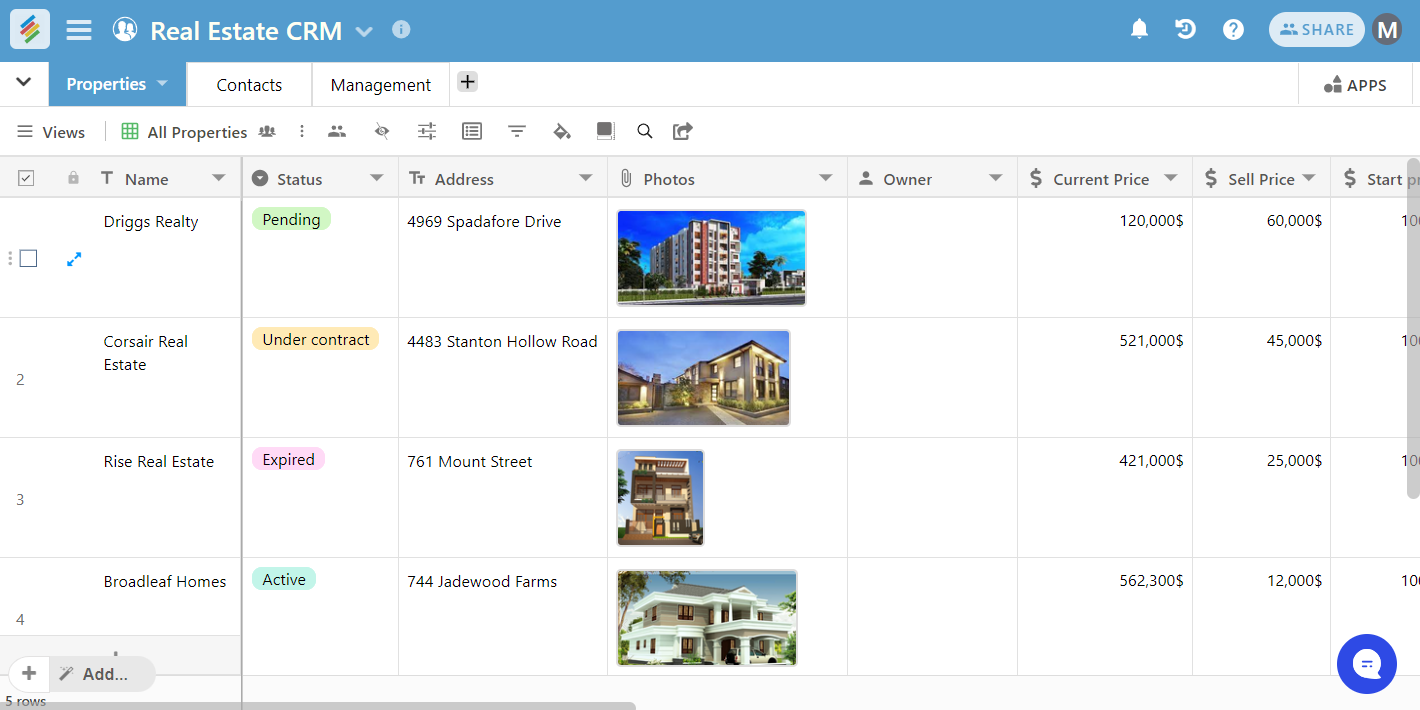
Customizing CRM software allows real estate professionals to tailor the system to the specific needs of their business. From creating custom fields to designing personalized dashboards, the possibilities are vast and powerful.
Methods to Tailor CRM Software for Real Estate Operations
Real estate businesses vary significantly in their operations, necessitating bespoke solutions in CRM software. By integrating relevant plugins and third-party applications, businesses can enhance functionality and streamline tasks.
- Identify key processes that require flexibility and adapt the CRM accordingly.
- Incorporate industry-specific tools like property listing integrations and client management features.
- Leverage CRM APIs for seamless connectivity between various systems.
Implementing Custom Workflows Within CRM Systems
Creating custom workflows is integral to optimizing operations and enhancing productivity. With tailored workflows, real estate teams can automate routine tasks, ensuring every client interaction is timely and meaningful.
To build efficient workflows, start by mapping out the stages of your sales process, then automate notifications and follow-ups to keep deals moving forward. Implement triggers for key actions, such as sending property details after an inquiry or scheduling follow-up calls post-viewings.
“Customization is not just about adding features; it’s about enhancing user experience and operational efficiency.”
Examples of Customization that Enhance Real Estate Management
Consider a real estate agency that specializes in luxury properties. By customizing their CRM to handle high-value client portfolios and integrating virtual tour capabilities, they could offer a tailored experience to their clientele. Furthermore, by using specialized reporting dashboards, they can gain valuable insights into market trends and client preferences.
An agency focused on commercial real estate might customize the CRM to include lease management tools and integrations with financial software, streamlining operations from tenant management to financial reporting.
| Feature | Residential Real Estate | Commercial Real Estate |
|---|---|---|
| Client Management | Personalized Communication | Portfolio Management |
| Reporting Tools | Market Insights | Financial Analysis |
| Integration | Virtual Tours | Lease Management |
Integration of CRM Software with Other Real Estate Tools
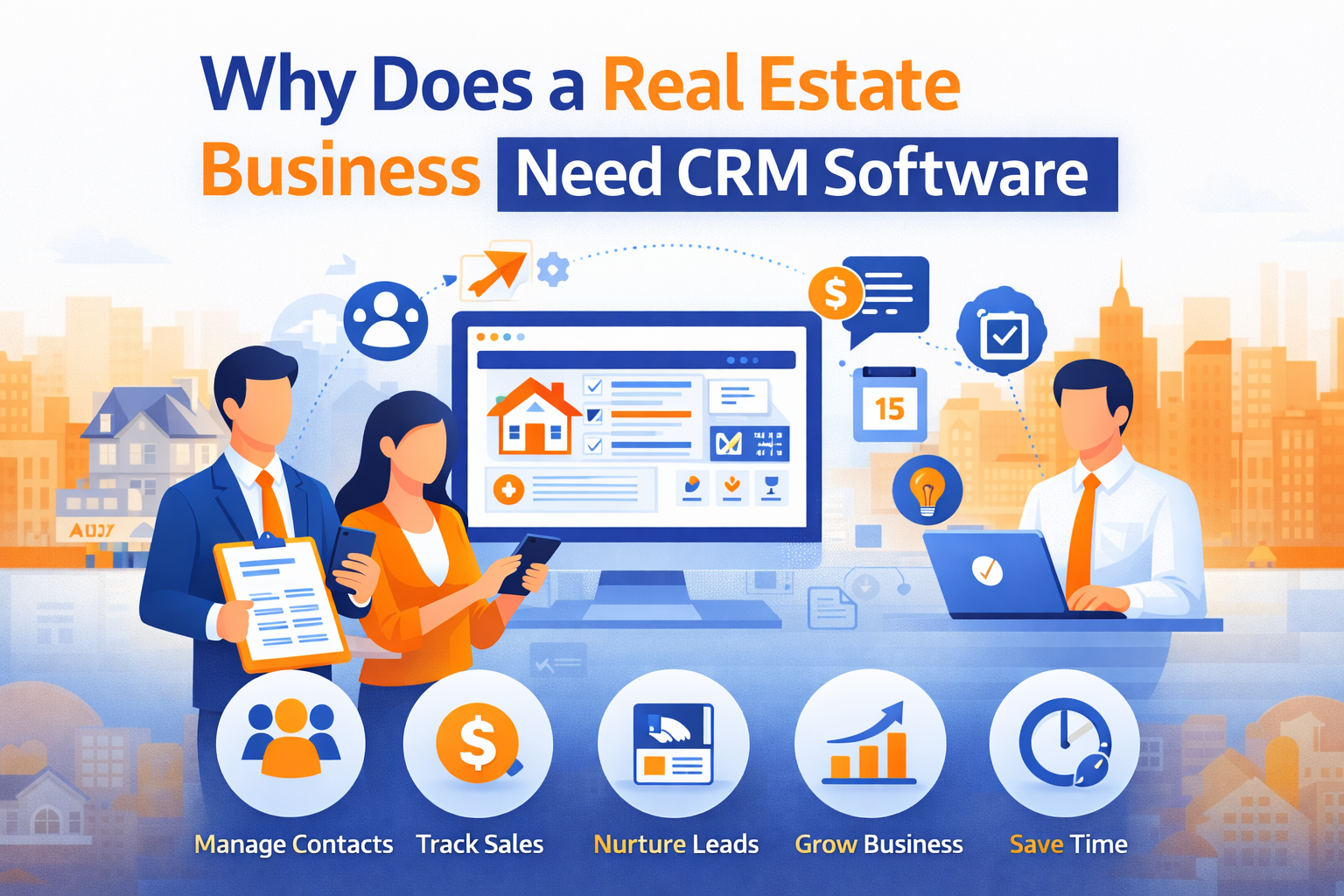
In the fast-paced world of real estate, the integration of CRM software with other essential tools can be a game-changer. This synergy not only streamlines operations but also enhances productivity by seamlessly connecting various aspects of real estate management.
By leveraging the integration capabilities of CRM software, real estate professionals can harmonize their workflows, ensuring that data flows smoothly across platforms and departments. This collaboration fuels informed decision-making and fosters a more responsive and agile business environment.
Strategies for Seamless Integration of CRM Software
To achieve a seamless integration, it’s vital to adopt strategies that align with both your business objectives and technological infrastructure. Here are some approaches to consider:
- Choose a CRM with open APIs, ensuring it can communicate effectively with other systems.
- Conduct a thorough needs assessment to identify essential tools that require integration.
- Utilize middleware solutions to bridge gaps between disparate systems.
- Establish clear data governance policies to maintain data integrity and security.
- Regularly review and update integration processes to adapt to evolving business needs.
“The real power of CRM software is unlocked when it seamlessly integrates with the tools you’re already using.”
Integration Options and Benefits
Understanding the integration options available can help real estate managers make informed choices that amplify their operational efficiency. Below is a table illustrating common integration possibilities and their respective benefits.
| Integration Option | Benefits |
|---|---|
| Email Marketing Tools | Automate communication strategies and enhance engagement through personalized campaigns. |
| Accounting Software | Simplify financial tracking and reporting, ensuring accurate and timely financial insights. |
| Property Management Systems | Centralize property data, facilitating comprehensive management and efficient operations. |
| MLS (Multiple Listing Service) | Access real-time property listings, empowering agents with up-to-date market information. |
| Customer Support Platforms | Enhance customer service by integrating support tickets and client interactions. |
Challenges and Solutions in Adopting CRM Software
Implementing CRM software in real estate management can be transformative, yet it’s not without its hurdles. Companies often face challenges that can hinder the potential benefits of CRM adoption.
Understanding these challenges and applying strategic solutions is essential for ensuring a smooth transition and maximizing the CRM’s impact on your business operations.
Understanding Resistance to Change
Resistance to change is a common issue when implementing new technology like CRM software. Employees accustomed to traditional methods may feel overwhelmed or skeptical about adopting a digital system. This resistance often stems from a lack of understanding or fear of the unknown.
Solution: To counter this, invest in comprehensive training programs that demonstrate the ease and efficiency of the CRM system. Encourage open dialogue and provide continual support to address concerns and foster a culture of digital readiness.
Data Migration Concerns
Transferring existing data into a new CRM system can be daunting, with fears of data loss or inaccuracies. This challenge can lead to hesitation among team members responsible for managing sensitive customer information.
Solution: Engage with IT specialists to ensure a seamless and secure data migration process. Utilize CRM software that offers robust data import tools and backup options to safeguard against potential data mishaps.
Lack of Customization
Real estate companies often require CRM systems tailored to their specific needs. A one-size-fits-all solution can lead to inefficient processes and underutilization of the CRM capabilities.
Solution: Opt for CRM software that allows for extensive customization. Collaborate with software providers to tweak the platform according to your business workflows. This personalization ensures that the CRM is an asset rather than an unnecessary complexity.
Case Study: Overcoming CRM Adoption Challenges in Real Estate
Real Estate Group X faced multiple challenges in adopting CRM software, including employee resistance and data migration issues. By prioritizing staff training and leveraging expert consultants for data migration, they successfully integrated the CRM system into their operations. Within six months, they reported an increase in sales efficiency and improved customer satisfaction by over 30%.
“Embracing change was key. By addressing our team’s concerns and ensuring a secure data transition, our CRM system became a cornerstone of our business success.” – CEO of Real Estate Group X
Future Trends in CRM Software for Real Estate
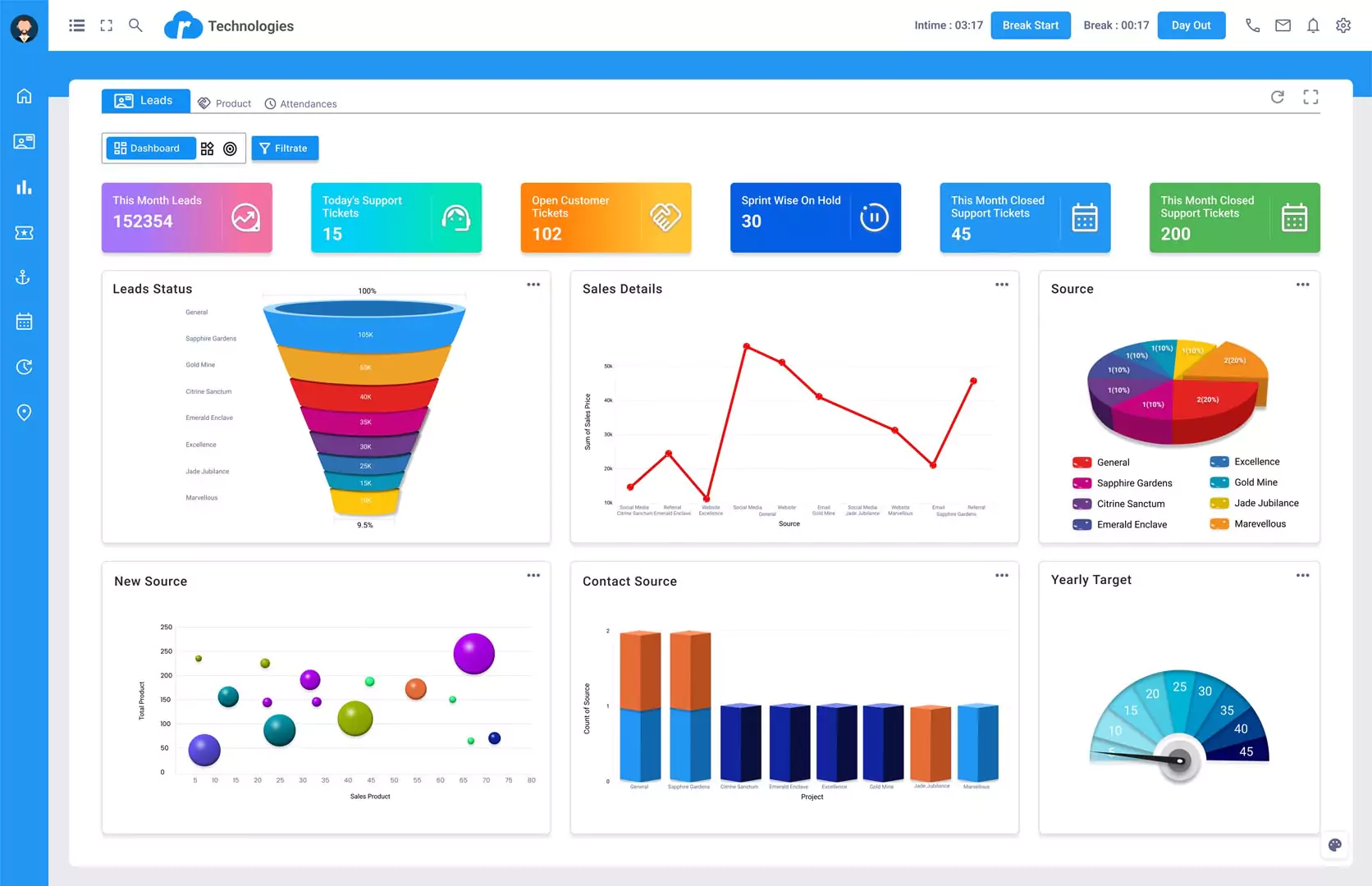
As the real estate industry continues to evolve, so does the technology that supports it. CRM software is at the forefront of this transformation, integrating cutting-edge advancements to streamline and enhance real estate management.
With the influx of data and the increasing need for personalized customer interactions, CRM systems are embracing a range of new trends that are set to redefine the landscape. Let’s explore how these emerging trends are poised to influence the future of real estate management.
AI and Machine Learning Integration
Artificial Intelligence (AI) and Machine Learning (ML) are swiftly becoming integral components of CRM solutions. These technologies empower real estate professionals to analyze vast amounts of data, providing insights that drive strategic decision-making. AI can predict market trends, optimize pricing strategies, and personalize customer experiences, all while automating routine tasks.
Enhanced Mobile Capabilities
In an era where mobility is key, CRM software is increasingly focusing on enhanced mobile functionalities. Real estate agents require access to data on-the-go, and modern CRM systems offer robust mobile applications that provide seamless access to property listings, client communications, and appointment scheduling.
Blockchain for Transparency and Security
Blockchain technology is expected to play a crucial role in the future of CRM software. By enhancing data security and ensuring transaction transparency, blockchain can revolutionize property management and real estate transactions, minimizing fraud and building trust among stakeholders.
“The integration of blockchain into CRM systems will not only enhance data security but also transform how transactions are conducted, making them more transparent and trustworthy.” — Industry Expert
Advanced Analytics and Predictive Modeling
Advanced analytics and predictive modeling are transforming how real estate professionals approach market strategies. CRM systems that incorporate these features enable users to anticipate market shifts, optimize customer engagement strategies, and ultimately, enhance profitability. By leveraging data-driven insights, real estate businesses are better equipped to adapt to changing market conditions.
Last Word
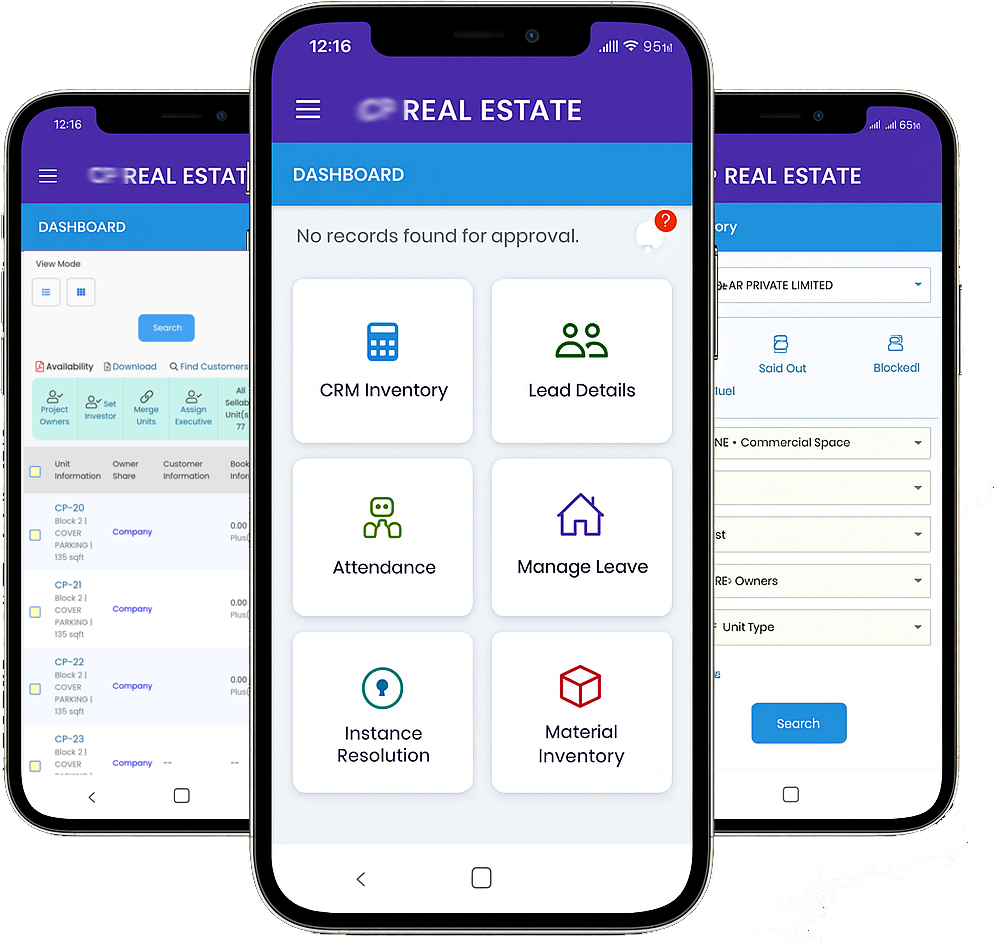
As we look to the future, CRM software for real estate management is not just a tool but a strategic partner in navigating the ever-evolving market. Embrace the technology that drives your business forward, turning challenges into opportunities and potential into success. The future of real estate management is here – are you ready to seize it?