In the bustling world of startups, where every moment counts, managing customer relationships can be the make-or-break factor for success. Enter CRM software: the superhero tool that can streamline operations, enhance customer connections, and drive growth. But with a sea of options available, how does a startup choose the perfect fit? Look no further as we dive into the essential features and top recommendations for CRM software tailored specifically for startups.
Imagine transforming your startup into a well-oiled machine, with seamless customer interactions and data-driven insights guiding every decision. Our guide will not only highlight the key reasons CRM systems are vital for burgeoning businesses but also provide you with a blueprint to navigate the maze of choices, ensuring you select the ideal CRM platform to propel your startup toward success.
Introduction to CRM Software for Startups
Starting a business is like embarking on an exhilarating journey through uncharted waters. For startups, success lies in building meaningful relationships with clients, and this is where Customer Relationship Management (CRM) software becomes a game-changer.
CRM software is crucial for startups because it helps manage customer interactions efficiently, fostering loyalty and driving growth. It acts as a central hub for organizing and analyzing customer data, streamlining communication, and transforming potential leads into loyal customers.
The Importance of CRM Software for Startups
Implementing a CRM system in a startup is akin to equipping a ship with the most advanced navigation tools. It provides a comprehensive view of customer interactions, enabling startups to tailor their offerings and strategies.CRM software empowers startups to:
- Enhance customer service and support.
- Automate sales and marketing processes.
- Improve communication and collaboration across teams.
However, startups may face challenges such as budget constraints and resistance to change when implementing a CRM system. Overcoming these hurdles requires strategic planning and selecting a CRM that aligns with the startup’s unique needs.
Benefits and Challenges of Implementing CRM Systems in Startups
The benefits of CRM software for startups are manifold. It not only improves operational efficiency but also empowers startups to make data-driven decisions. Here’s a quick comparative view of the benefits and challenges:
| Benefits | Challenges |
|---|---|
| Improved customer satisfaction and retention | Initial setup and training costs |
| Streamlined operations and increased productivity | Data migration complexity |
Successful implementation requires meticulous planning and a cultural shift towards being more data-centric and customer-focused. The journey can be challenging, but the rewards are worth the effort.
Examples of Successful Startup CRM Implementations
Consider how Company A skyrocketed its customer satisfaction rates by integrating CRM software early in their journey. By harnessing CRM tools, they were able to personalize their outreach efforts and track customer interactions seamlessly.
Similarly, Startup B leveraged CRM analytics to gain valuable insights into customer needs, which enabled them to launch targeted marketing campaigns that resulted in a 30% increase in sales within the first year.
“CRM software is not just a tool; it’s the backbone of a startup’s customer engagement strategy.”
These examples illustrate how powerful CRM systems can transform a startup’s approach to customer engagement, paving the way for sustainable growth and success.
Key Features to Look for in CRM Software
Choosing the right CRM software can be a game-changer for startups looking to streamline their customer relations and drive growth. Let’s delve into the essential features that will empower your startup to build and maintain strong customer connections.
A robust CRM solution should offer more than just a contact database. It should serve as a comprehensive tool that helps you understand your customers, automate mundane tasks, and provide insights that drive strategic decisions. Here’s a closer look at the features that are indispensable for startups aiming to scale efficiently.
Contact and Lead Management
Efficient contact and lead management is critical for nurturing potential customers and maintaining relationships. This feature helps startups track interactions, automate follow-ups, and prioritize leads based on engagement level, ensuring no opportunity slips through the cracks.
Sales Automation
For startups, time is of the essence. Sales automation streamlines the sales process by automating repetitive tasks such as sending emails, updating records, and managing pipelines. This allows your sales team to focus on what they do best – selling.
Analytics and Reporting
Understanding customer data is paramount. Analytics and reporting features provide insights into customer behaviors, sales trends, and campaign performances. With these insights, startups can make data-driven decisions that propel growth.
Integration Capabilities
Startups often use various tools for different functions. Integration capabilities allow your CRM to seamlessly connect with other software, such as marketing automation, customer support, and e-commerce platforms, creating a unified ecosystem that enhances efficiency.
Customization and Scalability
Every startup is unique, and so are its needs. Customization and scalability ensure that your CRM can be tailored to fit your specific processes and grow alongside your business, accommodating evolving requirements without having to switch solutions.
| Feature | Description | Benefits |
|---|---|---|
| Contact and Lead Management | Organizes and tracks customer interactions and leads. | Enhances relationship management and opportunity tracking. |
| Sales Automation | Automates routine tasks in the sales cycle. | Increases efficiency, allowing more focus on closing deals. |
| Analytics and Reporting | Generates insights from customer and sales data. | Facilitates informed decision-making and strategy planning. |
| Integration Capabilities | Connects CRM with other business tools and platforms. | Creates a seamless workflow and enhances productivity. |
| Customization and Scalability | Adapts to specific business needs and grows with the company. | Ensures long-term usability and relevance. |
“In the world of startups, a well-chosen CRM is not just a tool; it’s your silent partner in growth.”
Popular CRM Software Options for Startups
Choosing the right CRM software can be a game-changer for startups, providing a robust foundation for growth and customer engagement. Let’s dive into some of the most popular CRM options that cater specifically to the unique needs of startups.
With a myriad of choices available, it’s crucial to evaluate CRM software based on features, pricing, and scalability. Whether you’re a fledgling startup or on the brink of expansion, the right CRM can streamline your processes and enhance customer relationships.
Top CRM Choices Tailored for Startups
Here are some standout CRM platforms favored by startups for their powerful features and startup-friendly pricing.
- HubSpot CRM – Renowned for its user-friendly interface and rich free-tier offering, HubSpot CRM is perfect for startups seeking comprehensive marketing and sales tools without the hefty price tag.
- Zoho CRM – Offers a versatile suite of CRM tools, with customizable options that grow alongside your business. It’s known for its affordability and extensive feature set.
- Salesforce Essentials – A scaled-down version of Salesforce tailored for small businesses, offering powerful features at a reduced cost. It’s ideal for startups aiming for future scalability.
- Pipedrive – Focuses on sales pipeline management with a visual and intuitive approach, making it a favorite among startups that prioritize sales process visualization.
- Freshsales – Provides an AI-powered CRM that helps in lead management and tracking, offering advanced features at a competitive price.
Comparing Features, Pricing, and Scalability
When evaluating CRM solutions, consider how each option aligns with your current needs and future growth plans. Here’s a comparative look at these popular CRM platforms:
| CRM Software | Key Features | Pricing | Scalability |
|---|---|---|---|
| HubSpot CRM | Marketing automation, sales pipeline, reporting | Free tier available, paid plans start at $45/month | Highly scalable with a broad ecosystem of tools |
| Zoho CRM | Custom workflows, AI insights, multichannel support | Starts at $14/user/month | Flexible modules for various business scales |
| Salesforce Essentials | Contact management, opportunity tracking, mobile app | Starts at $25/user/month | Seamlessly scalable to full Salesforce suite |
| Pipedrive | Visual sales pipeline, email integration, reporting | Starts at $15/user/month | Best for startups with a primary focus on sales growth |
| Freshsales | AI-powered lead scoring, sales sequences, chat | Starts at $15/user/month | Designed to scale with AI and automation |
Choosing the right CRM is not just about features, it’s about finding a partner in your growth journey.
Factors to Consider When Choosing CRM Software
Choosing the right CRM software is a pivotal decision for startups, as it can significantly influence customer relationships and business growth. To make an informed choice, startups must weigh several critical factors that align with their unique needs and goals.
The decision-making process involves evaluating not just the immediate benefits of a CRM system but also its long-term impact on operational efficiency and scalability. The right CRM software should offer a balance between functionality, cost-effectiveness, and adaptability to the startup’s evolving requirements.
Budgetary Considerations and Cost-effectiveness
For startups, budget limitations often play a crucial role in selecting CRM software. It’s vital to assess the total cost of ownership, including upfront costs, subscription fees, and potential hidden expenses such as training and support. Opt for a CRM that provides essential features without burdening finances.
Scalability and Team Size
Startups need a CRM solution that can grow with their business. The software should accommodate an increasing number of users and expanding data needs without compromising performance. Consider systems that offer flexible plans and can seamlessly integrate with other tools as your team size and business scale up.
Industry-specific Features
All CRMs are not created equal. Industry-specific features can streamline operations and enhance productivity. Startups should seek CRMs tailored to their industry to gain competitive advantages through specialized functionalities and insights.
Checklist for Selecting CRM Systems
Before making a decision, ensure you’ve considered these essential factors:
- Does the CRM meet your budget constraints?
- Is the CRM scalable to support future growth?
- Are there industry-specific features beneficial to your business?
- What is the ease of use and user interface of the CRM?
- Does it offer robust customer support and training?
- How seamless is the integration with existing tools and applications?
- What security measures are in place to protect customer data?
The ideal CRM should not just serve your current needs but also adapt to future challenges.
Best Practices for Implementing CRM in Startups
Implementing a CRM system in a startup can be a transformative step toward achieving sustained growth and streamlined operations. However, to harness its full potential, companies must adopt strategic practices that facilitate a seamless integration.
These practices ensure that the CRM not only fits into the existing workflow but also empowers the team to maximize its features with minimal disruption.
Strategies for Smooth CRM Implementation
To ensure a smooth transition when implementing CRM software, startups should start by clearly defining their objectives and how the CRM will help achieve them. Aligning the CRM goals with business objectives enables teams to focus on what truly matters.
- Conduct a needs assessment to identify the specific features your startup requires.
- Establish a dedicated project team to oversee the implementation process.
- Leverage pilot testing to identify potential challenges before full-scale deployment.
- Create a phased rollout plan to minimize disruptions during implementation.
Training and Onboarding Employees with New CRM Tools
Proper training and onboarding are crucial for ensuring that employees can use the CRM tool effectively. Without thorough training, the potential of the CRM system may not be fully realized, leading to underutilization.
Develop a comprehensive training program that includes hands-on sessions, tutorials, and ongoing support. Regular feedback sessions will help identify areas where employees may require additional help.
- Designate CRM champions within teams to provide peer support and guidance.
- Utilize interactive platforms for a more engaging training experience.
- Schedule regular refresher courses to reinforce knowledge and skills.
Ensuring Data Integrity and Security in CRM Usage
Data integrity and security are paramount when it comes to CRM usage, particularly for startups handling sensitive information. Implementing robust data policies and security measures can protect against breaches and data loss.
“A secure CRM system is the backbone of a trustworthy business.”
Invest in a CRM solution with advanced security features such as encryption, two-factor authentication, and access controls. Regularly update your CRM software to protect against new vulnerabilities.
- Establish a data governance policy that includes regular audits and compliance checks.
- Educate employees about responsible data handling and potential security threats.
- Implement back-up systems to safeguard data against loss or corruption.
Future Trends in CRM Software for Startups
As startups continue to innovate and expand, CRM software must evolve to support these dynamic environments. Here’s how emerging trends are reshaping CRM systems tailored for startups.
The future of CRM is poised to be more intuitive and powerful, thanks to advances in technology. Startups need to stay ahead by embracing these transformative trends.
Emerging Technologies in CRM Systems
Technologies like blockchain, Internet of Things (IoT), and augmented reality are making their way into CRM solutions. Blockchain can enhance data security and transparency, crucial for startups handling sensitive customer information. IoT integration allows CRMs to collect data from connected devices, offering real-time insights that can drive smarter business decisions. Meanwhile, augmented reality creates immersive customer experiences, setting startups apart from the competition.
AI and Machine Learning Impact
Artificial intelligence and machine learning are revolutionizing CRM solutions by automating mundane tasks and providing predictive analytics. Startups can leverage AI to personalize interactions and anticipate customer needs, ensuring a higher customer satisfaction rate. Machine learning algorithms continuously improve and adapt, helping startups to optimize their sales and marketing strategies with minimal manual intervention.
Future Direction of CRM Software Development
The future of CRM development is heading towards hyper-personalization and enhanced user experience. CRM platforms are becoming more modular, allowing startups to choose functionalities that align with their unique business models. Furthermore, the integration of social CRM capabilities allows businesses to engage with customers directly through social media platforms, fostering stronger relationships.
Summary
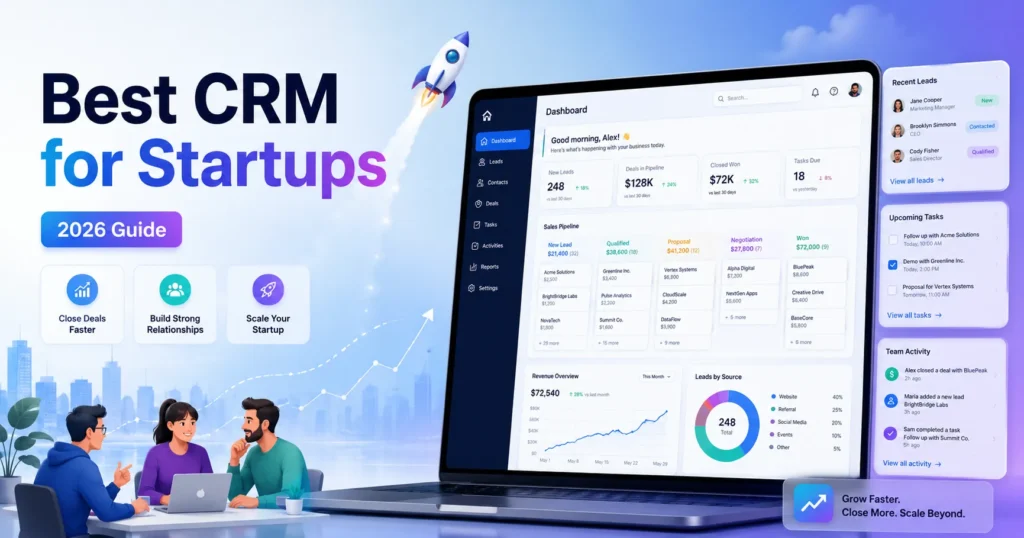
In the ever-evolving landscape of startups, having the right CRM software can be your secret weapon to outshine the competition. As you embark on this journey, remember that choosing a CRM isn’t just about features or price—it’s about finding a partner that grows with you, adapts to your needs, and empowers your team to reach new heights. Armed with the right insights and recommendations, you’re now ready to make a decision that will shape the future of your startup. Here’s to building lasting customer relationships and achieving unprecedented growth!