In an era where customer satisfaction dictates success, integrating your CRM software with other business systems is no longer a luxury but a necessity. Imagine a world where all your customer data flows seamlessly, providing your business with a 360-degree view of your clientele. This streamlined approach not only enhances customer experience but also propels your business toward efficiency and growth.
With creative integration strategies, you can transform your CRM into a powerhouse of information and insights, driving engagement and loyalty. Let’s delve into the realm of CRM software integration best practices, exploring how you can revolutionize the way you connect with your customers and align your operations for unprecedented success.
Importance of CRM Software Integration
In today’s fast-paced business environment, integrating CRM software with other business systems is not just an option; it’s a necessity. Seamless integration can unlock unprecedented synergies that drive growth and innovation.
When CRM systems are connected to other parts of the business, such as marketing, sales, and customer service, it creates a unified flow of information. This harmony in data sharing not only improves internal processes but also enhances external interactions, leading to better customer satisfaction.
Unleashing the Benefits of Integrated Systems
Integrating CRM software with other business applications can yield tremendous benefits. From streamlining operations to providing a 360-degree view of the customer, integration enables businesses to act swiftly and decisively.
- Enhanced data accuracy and consistency across platforms.
- Increased efficiency through automated workflows.
- Improved decision-making capabilities with real-time data insights.
- Personalized customer experiences that boost loyalty and retention.
Transforming Customer Experience with Seamless Integration
When CRM integration is done right, the impact on customer experience is profound. Seamless integration ensures that customer data is not siloed, allowing businesses to tailor interactions and anticipate customer needs more effectively.
- Faster response times due to immediate access to comprehensive customer information.
- Consistent communication across all customer touchpoints.
- Proactive service offerings based on predictive insights.
“The strength of your CRM lies not just in its capabilities but in its ability to work harmoniously with other systems to deliver exceptional customer experiences.”
Overcoming Challenges in CRM Integration
Despite the clear advantages, integrating CRM systems can present significant challenges. Recognizing and addressing these challenges is crucial for successful implementation.
- Data migration issues that can lead to information loss or duplication.
- Compatibility conflicts between legacy systems and modern CRM solutions.
- High initial integration costs and time-intensive processes.
- Resistance to change from employees accustomed to existing systems.
By carefully planning and executing the integration process, organizations can transform these challenges into opportunities for improvement and growth.
Best Practices for CRM Software Integration
Integrating CRM software can transform the way a business interacts with its customers. With a strategic approach, it becomes a powerful tool for maximizing efficiency and nurturing customer relationships.
Without a proper integration strategy, businesses may face data silos, communication gaps, and inefficiencies. Here are some crucial practices to ensure smooth and successful CRM integration:
Effective Data Mapping in CRM Integration
An essential element for successful CRM integration is data mapping. By establishing a clear connection between the source data and the CRM system, businesses ensure data consistency and accuracy. This process involves:
- Identifying key data fields in both systems.
- Ensuring data formats are compatible.
- Documenting the mapping process for future reference.
“A well-mapped data flow is the backbone of seamless CRM operations.”
Choosing the Right Integration Techniques
Several techniques are available for CRM integration, each with its strengths and weaknesses. Understanding these can help in selecting the method that aligns with your business needs:
| Integration Technique | Advantages | Disadvantages |
|---|---|---|
| API Integrations | Real-time data transfer, high customization | Complex setup, requires technical expertise |
| Middleware Solutions | Centralized management, flexibility | Additional cost, potential latency |
| Custom Integrations | Tailored to specific needs, flexible | Time-consuming, high initial cost |
Choosing the right technique depends on factors such as budget, business goals, and existing IT infrastructure.
Tools and Technologies for CRM Integration
In the dynamic world of CRM software integration, the right tools and technologies can be the difference between seamless operation and chaos. These tools not only facilitate integration but also ensure that your CRM system works efficiently with other business applications.
Understanding and utilizing the right integration tools can streamline processes, reduce manual work, and improve overall customer relationship management effectiveness. Let’s delve into the array of tools that can revolutionize your CRM integration strategy.
The Power of APIs in CRM Integration
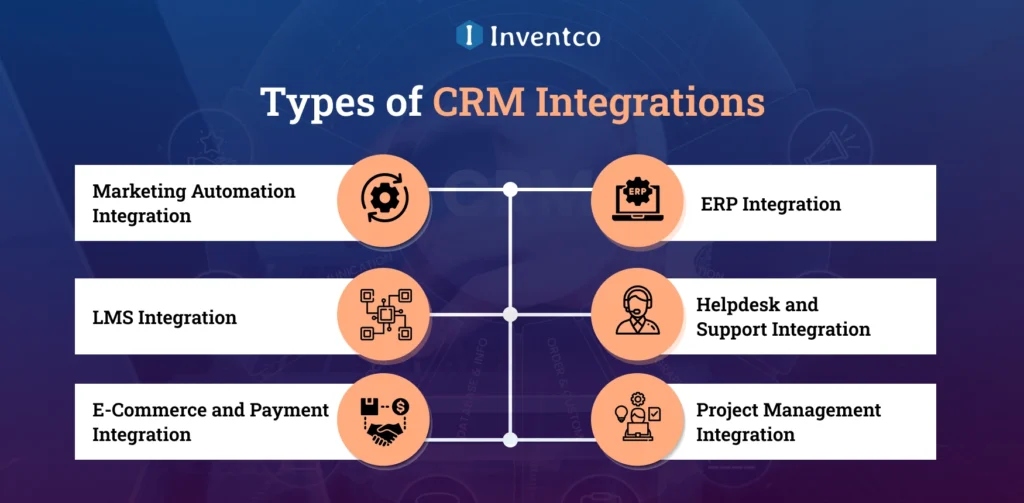
APIs, or Application Programming Interfaces, serve as the bridges connecting different software systems. They allow CRM platforms to communicate with other applications, enabling seamless data exchange and process automation. APIs make it possible to integrate your CRM software with marketing automation tools, ERP systems, and even social media platforms. This capability ensures that data flows smoothly between systems, minimizing errors and maximizing productivity.
Exploring CRM Integration Tools
There are numerous tools available that support CRM integration, and choosing the right one can be daunting. Below is a comparison of some popular CRM integration tools, highlighting their features, benefits, and limitations to help you make an informed decision:
| Tool | Features | Benefits | Limitations |
|---|---|---|---|
| Zapier | Connects multiple apps, automates workflows, user-friendly interface | Easy setup, extensive app support, no coding required | May require paid plans for advanced features, limited customization |
| Integromat | Visual editor, complex scenario support, extensive app integration | Highly customizable, detailed scenarios, cost-effective | Steeper learning curve, can be overwhelming for beginners |
| Tray.io | Highly scalable, enterprise-grade features, powerful automation | Handles complex operations, strong data capabilities | Higher cost, aimed at enterprise users |
Integration is not just an option; it’s the backbone of a robust CRM strategy.
Ensuring Data Security and Compliance
In the realm of CRM software integration, ensuring data security and compliance is not just a necessity, it’s an imperative. With sensitive customer data at stake, organizations must navigate the complex landscape of data protection with diligence and foresight.
As organizations integrate CRM systems, the potential for data breaches increases, making it crucial to adopt robust security measures. Compliance with data protection regulations not only safeguards your customers’ privacy but also enhances your organization’s reputation and trustworthiness.
Methods to Secure Data During CRM Integration
When integrating CRM systems, it’s essential to implement processes that enhance data security and ensure regulatory compliance. Here are some strategic methods to consider:
- Data Encryption: Employ encryption protocols to protect data both in transit and at rest, ensuring that unauthorized parties cannot access sensitive information.
- Access Controls: Implement stringent access controls to limit data access to authorized personnel only, reducing the risk of internal data breaches.
- Regular Audits: Conduct regular security audits and vulnerability assessments to identify and address potential security loopholes.
- Data Masking: Use data masking techniques to obscure personal data in non-production environments, thereby minimizing exposure during testing phases.
Maintaining Compliance with Data Protection Regulations
Compliance with regulations such as GDPR, CCPA, and others is critical during CRM integration. Failing to comply can lead to severe penalties. Here’s how to stay compliant:
- Understand Regulations: Familiarize yourself with relevant data protection laws and ensure that your integration processes align with these requirements.
- Obtain Consent: Ensure that all data used in CRM systems is collected with proper consent, maintaining transparency with customers on how their data will be used.
- Data Minimization: Collect only the data necessary for your operations, reducing the risk and scope of data breaches.
- Documentation: Maintain thorough documentation of your data handling and integration processes to demonstrate compliance in the event of an audit.
Checklist for Maintaining Data Integrity During CRM Integration
To maintain data integrity during CRM integration, consider the following checklist as a guide:
- Perform a comprehensive data quality assessment before integration.
- Ensure robust data mapping to maintain data consistency across systems.
- Implement data validation rules to detect and correct errors during integration.
- Establish a data governance framework to oversee data management practices.
- Monitor data integration in real-time to quickly address any anomalies or issues.
“In the digital age, securing data is not just a technical requirement—it’s a strategic priority.”
Measuring Success Post-Integration
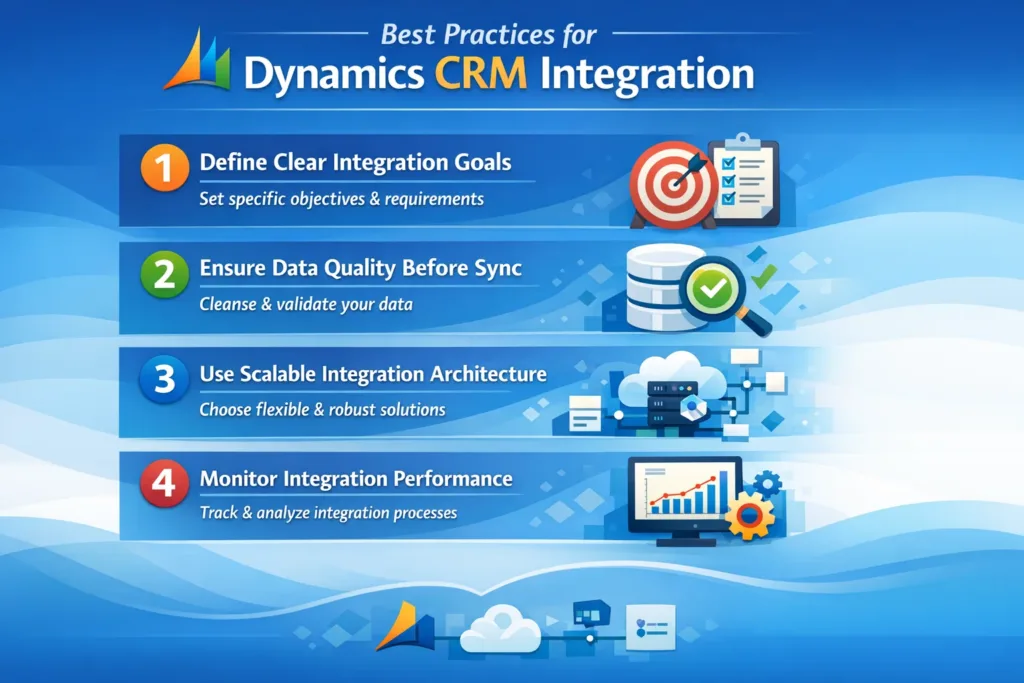
After the rigorous process of integrating CRM software, it becomes crucial to measure the success of this integration. Not only does it affirm your efforts, but it also guides future endeavors.
Measuring success post-integration involves careful evaluation of key metrics and outcomes associated with the new system’s functionality. By establishing a structured framework and identifying relevant KPIs, you can effectively gauge the impact of the integration on your business operations.
Framework for Evaluating CRM Integration Success
A well-designed evaluation framework serves as the backbone for assessing CRM integration success. This framework should be tailored to your organization’s unique goals and objectives. It should include: Pre-defined success criteria, continuous monitoring processes, and feedback loops. This allows for a clear understanding of how the integration aligns with your strategic business goals.
Key Performance Indicators Related to CRM Integration
Identifying and tracking the right KPIs is critical in measuring the success of CRM integration. These indicators should align with your business objectives and provide insight into the efficiency and effectiveness of the CRM system. Important KPIs to consider include:
- Customer Satisfaction Scores: Evaluate how the CRM system enhances customer interactions and improves satisfaction.
- Sales Growth: Measure the increase in sales revenue attributed to the improved customer relationship management.
- Data Accuracy: Assess the precision and reliability of customer data post-integration.
- User Adoption Rates: Track how quickly and effectively employees are adapting to the new CRM system.
- Operational Efficiency: Monitor improvements in workflow processes and reduction in manual tasks.
Successful CRM Integration Case Studies
Case studies provide valuable insights into successful CRM integrations. Let’s explore a couple of real-world examples that highlight effective strategies and outcomes:
One remarkable case is that of Company XYZ, which experienced a 30% increase in customer retention rates within six months of integrating their CRM system. By leveraging personalized communication streams and streamlined data management, they significantly boosted customer loyalty.
Another success story is Retailer ABC, which achieved a 45% reduction in customer service response time. This was a direct result of their CRM’s automated ticketing system, which enabled quicker resolutions and enhanced customer satisfaction.
“The best measure of success is a satisfied customer who becomes your loyal advocate.” – Unknown
Troubleshooting Common CRM Integration Issues
Integrating CRM software can sometimes feel like solving a complex puzzle, with each piece needing to fit just right. However, when issues arise during integration, having strategies in place to troubleshoot and maintain performance can make all the difference.
Let’s delve into the common challenges faced during CRM integration and explore effective strategies to resolve them, ensuring a seamless and efficient system operation.
Identifying Integration Roadblocks
One of the first steps in troubleshooting CRM integration issues is recognizing the barriers that prevent a smooth process. Common challenges include:
- Data mismatches and discrepancies
- Software version incompatibility
- APIs that do not communicate effectively
- Performance lags post-integration
Understanding these issues early on enables you to address them efficiently, reducing downtime and improving system reliability.
Strategies for Effective Troubleshooting
Armed with the knowledge of potential issues, you can now implement strategies to overcome these challenges:
- Data Validation: Ensure that all data is clean, consistent, and correctly formatted before beginning the integration.
- Version Checks: Regularly verify that all software components are up to date and compatible.
- API Testing: Conduct thorough testing of APIs to ensure seamless communication between systems.
- Performance Monitoring: Continuously monitor system performance to quickly identify and address any lags.
By implementing these strategies, you can not only resolve current issues but also prevent future obstacles from arising.
Maintaining Optimal System Performance
Ensuring that your CRM system continues to perform optimally post-integration requires ongoing maintenance and monitoring:
“Regular system audits and performance assessments are key to maintaining the health of your CRM integration.”
Consider implementing a schedule for regular system audits, focusing on:
- Identifying emerging issues before they impact operations
- Ensuring compliance with data security standards
- Continuously optimizing data flow and system processes
With these practices in place, your CRM system can remain robust and efficient, supporting your business goals effectively.
Conclusion
As you embark on the journey of CRM software integration, let these best practices guide you toward seamless connectivity and enhanced customer interactions. Remember, the goal is not just integration for integration’s sake, but to create a cohesive system that elevates your business processes and amplifies customer satisfaction. Embrace the power of technology to bridge gaps, foster innovation, and drive sustained growth. Your future in customer relationship management starts here!