Imagine unlocking a treasure trove of insights that could catapult your customer relationships to new heights. That’s the magic of integrating top-notch CRM software with cutting-edge analytics tools. In today’s competitive business landscape, understanding your customers isn’t just beneficial—it’s vital. CRM analytics tools are the compass guiding businesses through the data maze, transforming raw numbers into strategic actions.
Every interaction with your customer holds a clue to enhancing your engagement strategy, and a well-equipped CRM system ensures you capture it all. From pinpointing new opportunities to streamlining operations, analytics tools embedded in CRM software are the secret ingredient to mastering customer relationship management. Let’s explore how the best CRM software with analytics tools can revolutionize your business dynamics and propel you to the forefront of your industry!
Overview of CRM Software with Analytics Tools
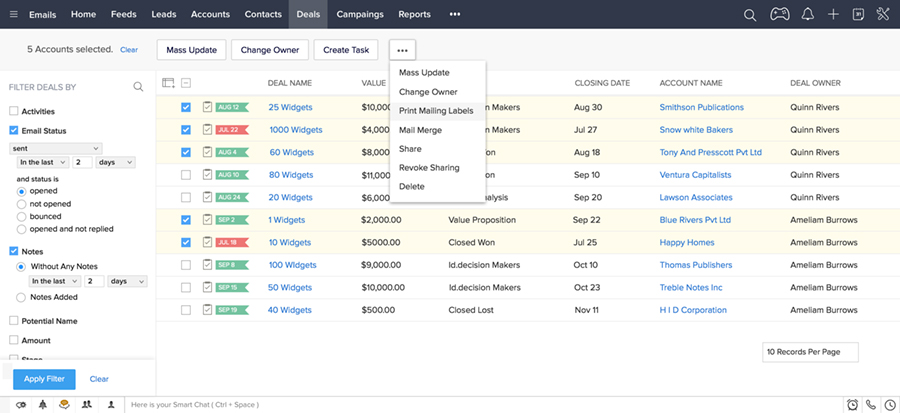
In today’s fast-paced digital world, businesses crave for insights that drive smarter decisions and foster stronger customer relationships. This is where CRM software equipped with analytics tools becomes a game-changer.
By integrating analytics capabilities, CRM software transforms raw data into actionable insights. It empowers businesses to understand customer behaviors, predict future trends, and tailor interactions that resonate with their audience. The fusion of CRM and analytics elevates customer relationship management to a strategic advantage, making every interaction a step towards customer loyalty and satisfaction.
The Importance of Analytics Tools in CRM Software
Analytics tools within CRM systems are not just a luxury; they are an essential element that fuels data-driven decision-making. These tools help businesses to:
- Gain a deeper understanding of customer needs and preferences.
- Identify high-value customers and personalize their experiences.
- Track and measure the effectiveness of marketing campaigns.
- Forecast sales trends and optimize inventory management.
Incorporating these analytics tools ensures that businesses not only keep up with customer expectations but also stay ahead of the competition.
Impact of CRM Analytics on Customer Relationship Management
CRM analytics serves as the backbone for any customer-centric strategy. By harnessing the power of data, businesses can:
- Enhance customer satisfaction through personalized service.
- Increase customer retention rates by anticipating their needs.
- Boost sales by identifying cross-sell and up-sell opportunities.
- Streamline operations with efficient resource allocation.
In essence, CRM analytics bridges the gap between customer data and actionable insights, transforming interactions into meaningful relationships.
Examples of CRM Software with Analytics Features
Numerous CRM solutions offer robust analytics features, empowering businesses to unlock the full potential of their customer data:
- Salesforce: Known for its powerful analytics tools that provide comprehensive insights into sales and marketing performance.
- HubSpot: Offers a detailed analytics dashboard to track customer interactions and measure campaign success.
- Zoho CRM: Features advanced analytics to visualize data trends and enhance decision-making processes.
- Microsoft Dynamics 365: Integrates AI-driven insights for predictive analytics and customer engagement.
These platforms not only streamline operations but also deliver a competitive edge through enhanced data analysis and strategic planning.
Key Features of CRM Analytics Tools

Transform how your business operates by harnessing the power of CRM analytics. These tools are designed to offer profound insights into customer behaviors, helping businesses make informed decisions.
Diving into the essential features of CRM analytics tools, we uncover how they streamline processes, enhance customer interactions, and ultimately drive growth. Let’s explore these features that are reshaping the business landscape.
Advanced Data Visualization
Data visualization is at the heart of CRM analytics. With intuitive dashboards and dynamic charts, businesses can easily interpret complex data sets. This feature empowers teams to spot trends and patterns at a glance, turning raw data into actionable insights.
Predictive Analytics
Predictive analytics capabilities mean your CRM isn’t just a repository—it’s a forward-thinking engine. By forecasting customer needs and potential sales trajectories, businesses can strategize effectively and stay a step ahead of the competition.
Anticipate rather than react.
Customizable Reporting
Every business is unique, and so are its analytics needs. CRM tools offer customizable reporting options, enabling businesses to tailor reports to their specific metrics. This personalization ensures that decision-makers receive relevant and insightful data.
Seamless Integration Process
The integration of CRM analytics with existing systems is crucial for a unified data ecosystem. Here’s a step-by-step guide to simplify the process:
| Step | Description |
|---|---|
| 1 | Assessment: Evaluate current systems for compatibility and data flow requirements. |
| 2 | Configuration: Adjust settings within both the CRM and existing platforms to ensure smooth data interchange. |
| 3 | Testing: Conduct tests to verify that data is accurately transferred and displayed across systems. |
| 4 | Training: Provide staff with training to maximize the efficacy of the integrated analytics tools. |
| 5 | Monitoring: Regularly monitor the system integration to address any discrepancies swiftly. |
By following these steps, businesses can ensure that their CRM analytics tools are perfectly in tune with their operational dynamics, paving the way for enhanced performance and insightful decision-making.
Comparison of Top CRM Software with Analytics

In the ever-evolving world of customer relationship management, selecting the right CRM software with robust analytics capabilities can be a game-changer for your business. By understanding the strengths and weaknesses of each option, you can make an informed decision that aligns with your strategic goals.
Here, we will delve into a comparative analysis of leading CRM software, highlighting their analytics prowess.
Strengths and Weaknesses of CRM Software
The following table provides a comprehensive look at some of the most popular CRM software, focusing on their analytics features. This comparison will help you identify which tool aligns best with your business needs.
| Software Name | Pros | Cons | Unique Features |
|---|---|---|---|
| Salesforce | Highly customizable, strong integration capabilities | Complex setup, expensive for small businesses | Einstein Analytics for advanced data insights |
| HubSpot | Easy to use, excellent customer support | Limited features in free tier | Visual dashboards and reporting tools |
| Zoho CRM | Affordable, extensive features | User interface can be overwhelming | AI-powered Zia Analytics |
Pricing Models for CRM Analytics Tools
Choosing the right CRM analytics tool also depends on budgeting considerations. Different software provides various pricing models, each catering to different business scales and needs.
- Salesforce: Offers several pricing tiers, primarily based on the number of users and the level of functionality required. Known for its premium pricing.
- HubSpot: Features a freemium model with scalable pricing plans that grow as your business expands.
- Zoho CRM: Provides a cost-effective subscription with multiple plans, making it accessible for startups and small enterprises.
Understanding the pricing structure can significantly impact your decision by aligning the software’s cost with your budgetary capabilities.
Industry Applications of CRM Analytics Tools

In today’s fast-paced digital landscape, CRM analytics tools have become indispensable for industries seeking to refine their customer engagement strategies. By harnessing the power of data, businesses can uncover valuable insights that drive growth and enhance customer satisfaction.
These tools are versatile, finding applications across numerous sectors, each exploiting their capabilities to meet unique challenges and seize new opportunities. From retail to healthcare, the impact of CRM analytics is both profound and wide-ranging.
Retail Sector’s Data-Driven Transformation
In the retail industry, CRM analytics tools are revolutionizing the way companies understand and engage with their customers. By leveraging data, retailers can predict trends, personalize marketing campaigns, and optimize inventory management. For example, businesses can analyze purchasing habits to tailor promotions, ensuring they resonate with specific customer segments.
- Enhanced customer segmentation leading to targeted marketing.
- Inventory optimization through demand forecasting.
- Improved customer loyalty via personalized experiences.
“A leading retailer reported a 15% increase in sales after implementing CRM analytics to refine their customer engagement strategies.”
Healthcare Industry’s Patient Engagement Revolution
The healthcare sector is also reaping the benefits of CRM analytics, particularly in enhancing patient engagement and care management. Hospitals and clinics use these tools to monitor patient interactions, track health outcomes, and streamline communication. This data-driven approach facilitates proactive care, ultimately improving patient satisfaction and health outcomes.
Consider a case where a hospital leveraged CRM analytics to identify high-risk patients, enabling timely interventions and reducing readmission rates. This not only improved patient care but also led to significant cost savings.
Financial Services’ Risk Management and Customer Insights
In the financial services industry, CRM analytics tools play a critical role in managing risks and gleaning insights into customer behaviors. Banks and financial institutions utilize these tools to analyze transaction patterns, detect fraud, and enhance customer service. By understanding client needs more precisely, they can offer financial products that align with customer goals.
- Reduction in fraud incidents through real-time monitoring.
- Personalized financial advice leading to improved customer satisfaction.
- Enhanced risk assessment and mitigation strategies.
“A prominent bank saw a 20% decrease in fraudulent activities after deploying a comprehensive CRM analytics solution.”
Best Practices for Implementing CRM Analytics Tools

Implementing CRM analytics tools is more than just a technology upgrade; it’s a strategic evolution that can redefine how your business connects with customers. Done right, it empowers your team to make data-driven decisions that enhance customer engagement and drive growth.
Successful implementation requires a keen understanding of your organizational needs and a structured approach to integration. This journey involves several critical steps to ensure your business can fully leverage the power of CRM analytics.
Steps for a Successful Implementation of CRM Analytics Tools
Embarking on the path to CRM analytics excellence involves meticulous planning and execution. Follow these steps to ensure your implementation is seamless and effective:
- Define Goals and Objectives: Start by identifying what you want to achieve with CRM analytics, whether it’s improving customer satisfaction, increasing sales, or enhancing marketing efforts.
- Assess Current Capabilities: Evaluate your existing systems and processes to understand what needs to be integrated or upgraded to support CRM analytics.
- Select the Right Tools: Choose CRM analytics tools that align with your goals and seamlessly integrate with your existing systems.
- Customize and Configure: Tailor the CRM tools to fit your business processes and ensure they are configured to capture the necessary data.
- Train Your Team: Ensure your staff is well-trained to utilize the analytics tools effectively, fostering a data-driven culture.
- Monitor and Optimize: Regularly review analytics outcomes to optimize processes and make data-driven improvements.
Checklist for Assessing Readiness for CRM Analytics Adoption
Before diving into CRM analytics, it’s crucial to gauge your organization’s preparedness. Use the following checklist to assess your readiness:
- Do you have a clear understanding of your business goals?
- Is your current technology infrastructure capable of supporting new tools?
- Have you identified key stakeholders and secured their buy-in?
- Is there a plan in place for staff training and support?
- Do you have a data governance policy to ensure data integrity and security?
- Are there processes for ongoing review and optimization?
Common Pitfalls in CRM Analytics Deployment and How to Avoid Them
While the advantages of CRM analytics are substantial, many organizations stumble during deployment. Avoid these common pitfalls to ensure a successful implementation:
- Lack of Clear Objectives: Without defined goals, measuring success becomes challenging. Set specific, measurable objectives before implementation.
- Inadequate Training: Users who are not properly trained may underutilize the tools. Invest in comprehensive training programs.
- Poor Data Quality: Analytics is only as good as the data it processes. Ensure data cleanliness and consistency before integration.
- Ignoring User Feedback: Users can offer valuable insights into tool usability. Regularly solicit and act on their feedback.
- Failure to Adapt: CRM analytics is an ongoing process. Continuously adapt and refine strategies based on analytical insights.
Future Trends in CRM Analytics
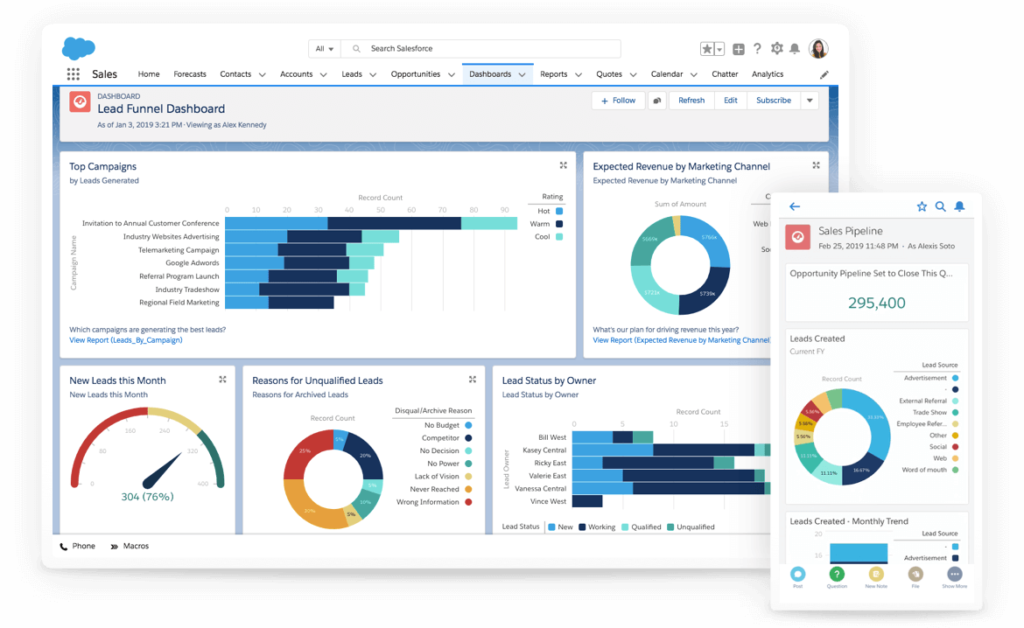
As the digital landscape continues to evolve, CRM analytics is on the brink of a transformation that promises to redefine the way businesses engage with their customers. The fusion of advanced technologies will propel CRM analytics to new heights, offering deeper insights and more personalized customer experiences.
Driven by innovations in artificial intelligence (AI), machine learning (ML), and big data, CRM analytics tools are becoming smarter, more intuitive, and increasingly predictive. These advancements not only enhance the capabilities of CRM tools but also empower businesses to anticipate customer needs and behaviors with unprecedented accuracy.
Integration of AI and Machine Learning
AI and machine learning are at the forefront of CRM analytics advancements. AI-powered CRM systems can analyze vast amounts of customer data to identify patterns and trends that are invisible to the human eye. By employing machine learning algorithms, these systems continually improve their accuracy and relevance, making predictions about customer behavior more reliable.
Imagine a scenario where your CRM system automatically updates its database with predictive insights about a customer’s future buying behavior, allowing your sales team to tailor their approach with pinpoint precision. This level of sophisticated analysis is made possible by integrating AI and ML into CRM analytics.
Enhanced Data Visualization Techniques
Data visualization is becoming increasingly interactive and dynamic, transforming static data into visually compelling stories. We are moving towards a future where CRM analytics tools offer real-time data visualization capabilities that allow for immediate insights and actionability. These tools can translate complex data sets into intuitive dashboards that highlight key metrics and trends.
Picture your CRM analytics dashboard not only showcasing past performance but also providing a real-time strategic map of emerging opportunities and potential risks. This transformation in data visualization techniques enables businesses to make informed decisions swiftly, enhancing their competitive edge.
Increased Emphasis on Customer Privacy and Data Security
As CRM analytics tools grow more powerful, there’s an increasing focus on implementing robust data privacy and security measures. Future CRM analytics will need to balance the demand for deep customer insights with the necessity of maintaining stringent data protection standards. Companies are expected to adopt advanced encryption and data anonymization techniques to safeguard sensitive information while still extracting valuable insights.
Consider a CRM system that not only complies with global data protection regulations but also provides customers with full transparency and control over their data. This approach will not only build trust but also enhance the overall customer experience, positioning companies as leaders in responsible data stewardship.
Closure

As we stand on the brink of a data-driven future, the potential of CRM analytics tools is boundless. By harnessing these powerful tools, your business not only stays relevant but also gains a competitive edge. The journey of implementing CRM software with the best analytics tools is not just about collecting data—it’s about transforming it into actionable insights that foster lasting customer relationships. Step into this technological evolution and watch your business thrive like never before!