In the bustling world of business, where customer relationships are the cornerstone of success, having the right tools at your disposal can make all the difference. Enter CRM software—your ultimate ally in nurturing meaningful customer interactions, streamlining operations, and propelling your business towards unparalleled growth. But with a myriad of choices available, how do you sift through the noise to find the most affordable CRM software options that align perfectly with your needs?
Imagine a world where every interaction with your customers is optimized, where every lead is nurtured with precision, and where your business operations flow seamlessly. The secret lies in selecting CRM software that not only fits your budget but also enhances your business strategy. Let’s unravel the intricacies of choosing the right CRM tool that offers both affordability and effectiveness, paving the way for your business to thrive.
Introduction to CRM Software

In the fast-paced world of business, customer relationships are the cornerstone of success. This is where CRM software steps in, transforming how companies engage and interact with their clients.
CRM, or Customer Relationship Management, software is an essential tool for businesses aiming to optimize their interactions with customers. By centralizing customer information and interactions, CRM tools empower companies to deliver personalized experiences, improve customer satisfaction, and boost overall business efficiency.
The Key Benefits of Using CRM Software
Implementing CRM software offers numerous advantages that can propel a business forward. One of the primary benefits is the enhancement of customer relationships, ensuring that businesses can offer tailored solutions and anticipate client needs. Moreover, CRM platforms often lead to increased sales efficiency by streamlining the sales process and providing valuable insights into customer behavior.
Another significant advantage is the improvement of data management. With all customer data stored in a single, easy-to-access location, team members can quickly retrieve the information they need, leading to better-informed decisions. Additionally, CRM systems support collaborative efforts across departments, ensuring that all team members are aligned and working towards common goals.
Common Features Found in CRM Systems
Modern CRM systems come equipped with a variety of features designed to enhance business operations. At the core of these systems is a centralized database that stores customer information, past interactions, and transaction history. This feature ensures that all team members have access to up-to-date customer data.
Other common features include automated workflow capabilities that streamline repetitive tasks, saving time and reducing human error. CRM software also often offers analytics and reporting tools, enabling businesses to gain insights from their data and make informed decisions. Additionally, many CRM platforms include sales and marketing automation, allowing teams to tailor campaigns and approaches based on customer preferences and behavior.
“A good CRM system is the backbone of successful customer management.”
Criteria for Selecting Affordable CRM Software

Choosing the right CRM software can be a game-changer for your business, especially if you’re on a budget. With a myriad of options available, it’s crucial to identify what you truly need and what you can afford.
An affordable CRM shouldn’t compromise on essential features that drive customer relationships and business growth. Let’s delve into what you should consider when selecting the most cost-effective CRM solutions.
Essential Features to Consider
When evaluating CRM software, focus on functionalities that directly impact your business operations. Look for features that provide value without ballooning your expenses:
- Contact Management: Efficiently store and manage customer information.
- Task Automation: Automate repetitive tasks to save time and reduce errors.
- Reporting and Analytics: Gain insights into customer data and sales trends.
- Integration Capability: Ensure the CRM integrates with other tools you use daily.
- Mobile Access: Access your CRM anytime, anywhere from mobile devices.
Comparing Different Pricing Models
CRM providers offer various pricing models, each with its advantages and potential drawbacks. Understanding these models helps in selecting the most budget-friendly option that aligns with your financial capabilities:
| Pricing Model | Advantages | Considerations |
|---|---|---|
| Subscription-based | Low upfront cost, predictable monthly expenses. | Costs can add up over time, especially as team size grows. |
| Per-user pricing | Scalable as it grows with your team. | Becomes expensive with large teams; fluctuating monthly costs. |
| Freemium | Free access to basic features. | Limited features; additional costs for advanced functionalities. |
Assessing Scalability for Growing Businesses
Scalability is a crucial factor, especially if you anticipate growth. Here’s how to evaluate if a CRM can scale with your business:
“A scalable CRM grows with your organization, ensuring continuity and efficiency without constant change.”
- Check if the CRM can handle a growing contact list and increased data storage needs.
- Ensure that the CRM’s performance remains robust as more users are added.
- Evaluate how easy it is to upgrade to more advanced features or higher-tier plans.
- Investigate the CRM provider’s track record and reputation in supporting scalable solutions.
Top Affordable CRM Software Options
Choosing the right CRM software can transform how you connect with customers, streamline operations, and boost your bottom line—all without breaking the bank. Dive into our carefully curated list of budget-friendly CRM options.
In the dynamic landscape of customer relationship management, finding a cost-effective solution that doesn’t compromise on features is crucial. Below, we explore some stellar CRM software options that deliver exceptional value for your investment.
Explore Budget-Friendly CRM Solutions
| Name | Features | Price | User Rating |
|---|---|---|---|
| Zoho CRM | Lead management, Workflow automation, Custom dashboards | Starting at $12/user/month | 4.5/5 |
| HubSpot CRM | Contact management, Email tracking, Pipeline management | Free for basic features | 4.6/5 |
| Freshsales | AI-based lead scoring, Built-in phone, Email sync | Starting at $15/user/month | 4.4/5 |
| Insightly | Project management, Task tracking, Relationship linking | Starting at $29/user/month | 4.3/5 |
Here’s a closer look at what makes each option stand out:
Zoho CRM is renowned for its customizability and seamless integration with numerous apps, making it a favorite for businesses aiming for personalized customer interactions. With Zoho, you’re not just managing contacts; you’re orchestrating a symphony of customer experiences.
- “Zoho’s workflow automation has saved us countless hours!” – Maria S.
- “The customization options are fantastic for tailoring to our needs.” – John D.
HubSpot CRM revolutionizes the entry barrier with its free offering, ideal for startups and small businesses looking to get started without a financial commitment. Its intuitive interface and comprehensive tracking capabilities ensure nothing falls through the cracks.
- “A superb choice for small businesses.” – Lisa T.
- “The free version offers surprising depth and utility.” – Ahmed K.
Freshsales sets itself apart with AI-powered lead scoring, ensuring you focus on the leads that matter most. It’s designed for sales teams that seek clarity and efficiency in their processes, bringing potential deals directly to your fingertips.
- “The AI lead scoring is a game-changer for our sales team.” – Kevin F.
- “Freshsales combines power and simplicity in a way that’s truly refreshing.” – Emily R.
Insightly combines CRM with project management, making it indispensable for teams that juggle customer interactions and project deadlines. Its relationship linking feature uniquely visualizes connections, enhancing strategic planning.
- “Project management within a CRM is ingenious.” – Sophia G.
- “Insightly’s relationship maps are invaluable for our strategic meetings.” – Dave M.
Implementation and Integration of CRM Software

Embarking on the journey of CRM software implementation is transformative, promising to streamline operations and amplify customer engagement. However, achieving such results demands a strategic approach to both implementation and integration.
Understanding the steps involved and how CRM software can mesh seamlessly with existing business tools is crucial for realizing its full potential. Let’s delve into the essential phases and integration possibilities.
Steps for Implementing CRM Software in an Organization
Implementing CRM software is not just about installation; it’s a multi-step process that requires careful planning and execution. Here’s a step-by-step guide to ensure a successful rollout:
- Assess Business Needs: Identify specific challenges and objectives that the CRM software should address.
- Select the Right CRM: Choose a CRM solution that aligns with your business goals and budget constraints.
- Data Migration: Plan and execute the migration of data from existing systems to the new CRM platform.
- Customize and Configure: Tailor the CRM to suit your business processes, ensuring it meets specific operational needs.
- Train Your Team: Equip your staff with the necessary knowledge and skills to leverage the new CRM system effectively.
- Test and Launch: Conduct thorough testing to iron out any issues before the official launch.
Integration Capabilities with Other Business Tools
The true power of CRM software is unlocked when it integrates smoothly with other business tools. This capability ensures a unified flow of information across platforms, enhancing efficiency and decision-making. Here’s how CRM software can integrate with various tools:
- Email Platforms: Syncing with email tools like Outlook and Gmail to track communications and automate follow-ups.
- Marketing Automation: Connecting with platforms such as Mailchimp or HubSpot to streamline marketing campaigns.
- Customer Support: Integrating with helpdesk solutions like Zendesk to provide seamless customer service.
- Accounting Software: Linking with accounting tools like QuickBooks to synchronize financial data and processes.
“Integration is not just a technical necessity but a strategic advantage, enabling businesses to operate as a cohesive unit.”
Examples of Successful CRM Software Implementation Stories
Learning from real-world examples can provide valuable insights into successful CRM implementations:
One standout story is that of a mid-sized retail chain that adopted an affordable CRM to consolidate its customer data scattered across multiple systems. By integrating the CRM with its existing POS system and e-commerce platform, the retailer achieved a 30% increase in customer retention and a 20% boost in sales within the first year.
Another inspiring case is a service-based company that struggled with client communications. After implementing a CRM solution that integrated with their email and calendar systems, they significantly improved their client response times and saw a remarkable 40% rise in customer satisfaction.
Illustrative Case Studies of CRM Software Use
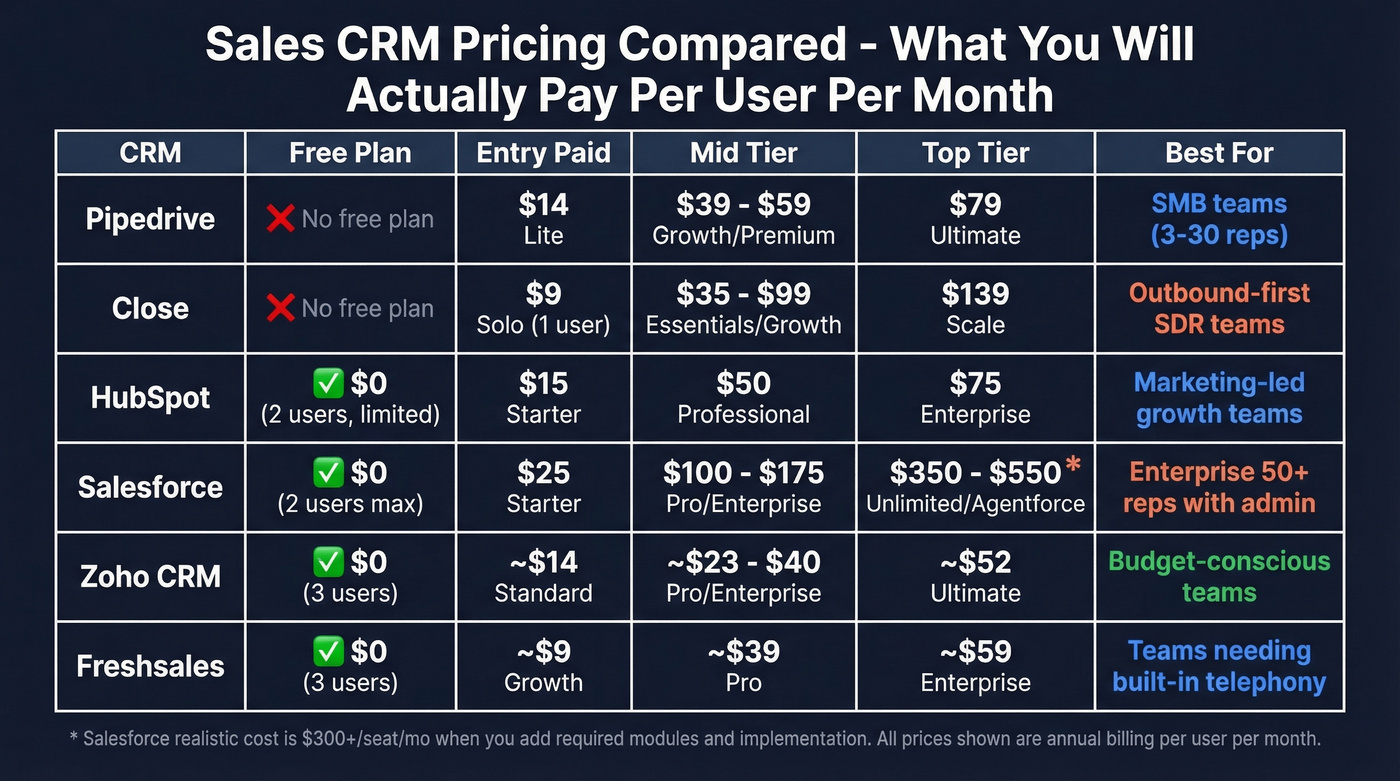
In the dynamic world of business, the right CRM software can be a game changer, transforming potential struggles into strategic triumphs. Below, we delve into real-world case studies that demonstrate the impact affordable CRM solutions can have on business operations and success.
These narratives not only highlight the adaptability and functionality of CRM systems but also reveal quantifiable results achieved through their implementation. Each case study underscores the versatility of CRM software in diverse business environments, showcasing its potential to drive growth and efficiency.
Streamlining Customer Service for a Retail Chain
XYZ Retail, a mid-sized chain based in the Midwest, faced challenges in maintaining consistent customer service across its 20 locations. By implementing an affordable CRM solution, they centralized customer data and improved communication between stores.
- Challenge: Disparate customer service practices and lack of centralized data.
- Solution: Implementation of a CRM system that integrated with existing POS systems.
- Outcome: A 30% reduction in customer complaint resolution time and a 15% increase in customer satisfaction scores within the first six months.
The CRM system provided a unified platform where customer interactions were logged and accessed by all locations, ensuring that every customer inquiry was addressed efficiently and effectively.
Boosting Sales for a Tech Startup
At ABC Tech, a burgeoning startup offering innovative software solutions, the sales team struggled with lead management and conversion tracking. The implementation of a cost-effective CRM system transformed their approach, providing insights and automation that empowered the sales team.
- Challenge: Inefficiencies in lead tracking and follow-up processes.
- Solution: Deploying a CRM that offers automation and analytics capabilities.
- Outcome: A 40% increase in lead conversion rates and a 25% reduction in time spent on administrative tasks.
Using CRM analytics, the startup identified key trends and customer needs, enabling a more strategic and informed sales approach that directly enhanced their bottom line.
Enhancing Marketing Efforts for a Small Non-Profit
A small non-profit organization, Hope Initiative, was struggling to optimize its donor management and outreach efforts. By adopting a budget-friendly CRM solution, they not only strengthened their marketing strategies but also improved donor engagement.
- Challenge: Fragmented donor information and ineffective communication strategies.
- Solution: Implementation of a CRM system with integrated marketing tools.
- Outcome: A 50% increase in donor retention rates and a 20% boost in fundraising events attendance.
The CRM software equipped the non-profit with the tools necessary to segment donor lists and tailor communications, leading to more personalized and impactful interactions.
“The right CRM can turn customer interactions into opportunities for growth and improvement, fostering lasting relationships and streamlined operations.”
Future Trends in Affordable CRM Software

As the digital landscape evolves, so too does the realm of CRM software. With every technological advancement, the potential for affordable and more efficient solutions increases. The challenge for businesses is to stay ahead of these trends while ensuring they remain cost-effective and relevant in their CRM strategies.
With the advent of AI, machine learning, and other emerging technologies, CRM software is not only becoming smarter but also more accessible and affordable for businesses of all sizes. These innovations promise to revolutionize how companies interact with their customers, offering insights and efficiency improvements that were once thought impossible.
The Rise of AI and Machine Learning in CRM
The integration of artificial intelligence and machine learning into CRM systems is reshaping how businesses understand and engage with their customers. By automating routine tasks and providing sophisticated data analysis, AI can significantly reduce operational costs, making CRM systems more affordable. This is not just a trend but a shift towards a more intelligent and cost-effective CRM environment.
Challenges with Future CRM Technologies
Despite the promising trends, there are inherent challenges that businesses may face with future CRM technologies. One major issue is the potential complexity and cost of technology integration. As systems become more advanced, the need for specialized skills and knowledge increases, which could lead to higher training and implementation costs. Moreover, keeping up with rapid technological advancements can be daunting for many small to medium-sized enterprises.
Innovations Offering Cost-Effective Solutions
Innovations in CRM technology are continually offering new ways to deliver cost-effective solutions. For example, the emergence of cloud-based CRM platforms has significantly reduced up-front costs for businesses by eliminating the need for expensive on-premises infrastructure. Additionally, the rise of open-source CRM software provides businesses with affordable yet robust solutions without the hefty price tag.
“The future of CRM is not just about technology but creating affordable solutions that empower businesses to connect with their customers like never before.”
Closure
As we venture into the future of CRM technology, the landscape is ripe with possibilities for businesses seeking cost-effective solutions. Affordable CRM software isn’t just a tool; it’s a transformative force that can redefine how you engage with customers and streamline your operations. Embrace these opportunities, and watch your business flourish like never before. The right CRM option is waiting for you—unlock its potential and propel your business into a future of sustained success.